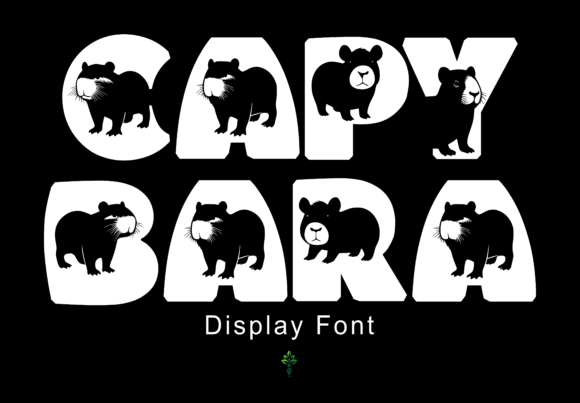
Capybara Font Elevates Campaign Design with Contemporary Elegance
It was 9:15 AM, and I had just opened the design brief for a new product launch. The brand wanted something fresh, something that felt both modern and approachable. As I flipped through my font library, one name stood out — Capybara. It wasn’t just any decorative font; it was a carefully crafted typeface that screamed contemporary elegance. I knew right away it would help me build visuals that were not only beautiful but also clear and impactful.
Capybara for Instagram Reels Covers and Product Teasers
When designing an Instagram Reels cover, you have seconds to grab attention. That’s where a strong visual hierarchy and memorable typography come into play. Capybara, as a decorative font, delivers just that. Its unique character shapes and refined curves add an artistic flair without overwhelming the message. I used it for a product teaser campaign — a simple headline over a lifestyle image — and the result was stunning. The text didn’t distract from the photo but instead elevated the overall composition, making the brand feel more premium and intentional.
What I love most about Capybara is how it communicates mood effortlessly. It’s bold enough to command attention yet elegant enough to feel sophisticated. For brands aiming to blend creativity with clarity, this font bridges the gap between artistry and professionalism. And since it's optimized for digital platforms, it looks crisp even at smaller sizes on mobile feeds.
Capybara in Pinterest Promotional Pins
Pinterest users scroll fast, but they also engage deeply when visuals speak clearly. I was working on a set of promotional pins for a wellness brand, and I needed a font that could deliver key phrases like “Morning Mindfulness” or “Reset Your Routine” with both warmth and authority. Capybara fit the bill perfectly. Its decorative elements gave the pins a handcrafted feel while maintaining legibility across various preview sizes.
I tested the font in different pin formats — vertical, square, and landscape — and found that it worked best for short, punchy headlines. Pairing it with a clean sans serif font helped balance the look, ensuring that supporting text remained easy to read. This strategic font pairing made the content more scannable and visually appealing, which is essential for driving clicks and saves on Pinterest.
Using Capybara for YouTube Thumbnails and Webinar Banners
YouTube thumbnails are tiny windows into big opportunities. A recent thumbnail redesign project required a font that could stand out against dynamic background videos. Capybara delivered. With its bold presence and typographic grandeur, it made the title pop without being garish. I added subtle contrast by placing it over a dark gradient, which highlighted the font’s intricate details and gave the thumbnail a cinematic edge.
Later that week, I needed a webinar banner that would convey exclusivity and value. Capybara’s personality lent itself well to titles like “Unlock the Secrets of Modern Branding.” I paired it with a minimalist layout and soft accent colors, letting the font take center stage. The feedback from the team was instant — the banner felt luxurious, yet accessible. It’s rare to find a decorative font that doesn’t compromise readability, but Capybara proved to be an exception.
Capybara for Email Banners and Branded Templates
Email marketing still drives real engagement, especially when done right. In a recent campaign, I designed an email banner promoting a seasonal sale. The headline needed to feel urgent and trustworthy. Capybara brought a touch of class to the callout — “Your Summer Starts Here” looked far more inviting than a generic sans serif ever could. The font’s weight variations allowed me to emphasize key words without making the text feel cluttered.
Branded templates are another area where Capybara shines. Whether it’s social media posts, blog headers, or landing page sections, using this font consistently helps reinforce brand identity. It has a signature style that’s hard to forget — perfect for creating a recognizable visual language across multiple platforms. Just make sure to check the included weights and file formats before finalizing your template sets so everything works smoothly across devices.
Designing with Capybara on Dark and Light Backgrounds
One thing I always consider when selecting fonts is their adaptability to different color schemes. Capybara performs exceptionally well on both dark and light backgrounds. On dark themes, its high contrast makes it readable and striking. On light ones, the font’s subtlety lets other design elements breathe. This flexibility is invaluable when building a cohesive content set for platforms like LinkedIn or TikTok, where branding might shift slightly depending on the feed.
I once used Capybara in a digital ad set that spanned both Facebook and Google Display Network. By adjusting stroke width and letter spacing, I ensured the font remained legible on small previews and large banners alike. The ability to tweak these aspects without losing the font’s core aesthetic is a huge plus for marketers who need consistency across all touchpoints.
Capybara for Logo-Style Text and Campaign Labels
In logo design, finding the right font can mean the difference between a forgettable mark and a powerful brand symbol. While Capybara isn’t a traditional logo font, its decorative nature and typographic precision make it ideal for logo-style text in campaigns. I used it for a campaign label on a limited-edition product rollout — “Curation Week 2024” — and the feedback was immediate. The audience noticed it first, remembered it second, and associated it with quality third.
The font’s versatility allows it to work in both uppercase and lowercase, though I’ve found it particularly effective in uppercase for short, impactful labels. Just keep in mind that because it’s a decorative font, it’s best reserved for headlines or accents rather than body text. You’ll want to pair it with a more neutral font for longer reads, ensuring your message stays clear and digestible.
Capybara in Fast-Scrolling Feeds and Mobile Previews
Let’s face it: audiences don’t sit still. They’re scrolling through feeds faster than ever, and every pixel counts. Capybara understands this. When I applied it to a series of Instagram carousel ads, the font held up beautifully in small mobile previews. The subtle serifs and open apertures kept it from looking too busy, while the distinctive shape made it instantly recognizable. That’s exactly what you want in a fast-scrolling environment — a font that speaks volumes in milliseconds.
To maximize visibility, I focused on using Capybara in short bursts. Phrases like “Limited Stock,” “Last Chance,” or “Now Live” carried extra weight when styled with this font. Even better, its multilingual support allowed us to run localized versions of the same campaign without compromising design integrity. That kind of adaptability is gold when managing international content calendars.
Capybara for Display Text and Brand Recognition
Display text is where creativity meets communication. In a recent branded content series for a fashion influencer, I leaned heavily on Capybara to create a sense of individuality. Each post featured a different quote or statement in the font, reinforcing the influencer’s personal brand with a consistent and stylish voice. Viewers began to associate the typeface with the brand’s ethos — playful yet polished.
This is the power of a well-chosen decorative font. Capybara isn’t just there for show — it contributes to the message. When used strategically, it can enhance brand recognition and give your content a signature look that stands apart in a sea of sameness. I often use it in combination with geometric shapes or gradients to amplify the creative impact without overshadowing the text.
Practical Tips for Using Capybara in Campaign Workflows
- Use sparingly: Capybara is a display font, not a full-system font. Reserve it for headlines, callouts, and decorative titles to maintain readability.
- Pair wisely: Combine it with a clean sans serif or a modern script font for contrast. This ensures your supporting text remains legible while keeping the visual interest high.
- Check licensing: Before using Capybara in client campaigns or commercial products, confirm it supports the intended usage. Many decorative fonts require specific licenses for extended applications like merchandise or web assets.
- Optimize for size: Test the font at different sizes on mobile and desktop to ensure it remains legible. Avoid overusing ligatures or alternates in smaller formats unless absolutely necessary.
- Stay consistent: Use Capybara across your campaign visuals to build familiarity. Whether it’s a YouTube thumbnail or an email header, repetition strengthens brand recall.
Capybara Adds Irresistible Charm to Digital Ads and Landing Pages
On a tight deadline for a new online shop promotion, I reached for Capybara again. The goal was to highlight a product line with a sense of exclusivity and charm. The font’s organic flow and balanced proportions made it perfect for headlines like “Curated for You” and “Shop the Look.” These weren’t just catchy phrases — they became part of the brand’s storytelling, thanks to the right choice in typography.
Landing pages often rely on a mix of bold statements and quiet persuasion. Capybara played both roles seamlessly. Used in headers and subheaders, it drew attention without pushing viewers away. The font’s subtle texture and rhythm made long-form copy feel less rigid, encouraging deeper engagement with the content below. Plus, its responsiveness on different screen sizes meant we didn’t have to redo our designs for each platform.
Capybara in Social Media Graphics and Promo Content
Social media graphics demand both beauty and brevity. Capybara fits that need perfectly. I recently built a 7-day Instagram content series around a lifestyle app, and the font helped unify the entire set. From morning motivation quotes to feature highlights, the same typeface threaded through all posts, giving the campaign a seamless, professional look.
Its decorative appeal didn’t clash with the app’s minimalist UI, either. Instead, it complemented it, offering a nice counterbalance to clean lines and soft pastel tones. This duality is key in editorial design and packaging design — a decorative font should enhance the message, not confuse it.
Final Thoughts for Marketers Choosing a Creative Font
Choosing the right font is like choosing the right tone for your brand. Capybara offers a voice that’s both modern and warm, making it suitable for a wide range of digital marketing needs. Whether you're crafting a YouTube thumbnail or a high-converting email banner, this decorative font brings typographic grandeur to your projects without sacrificing clarity.
If you're looking to elevate your campaign visuals and inject a bit of personality into your message, Capybara is worth exploring. It’s a font that doesn’t just look good — it works smart. So next time you’re prepping a launch graphic or checking your thumbnails, remember that the right typeface can turn a basic message into a compelling experience.