Balkist Typeface for Editorial Design Projects
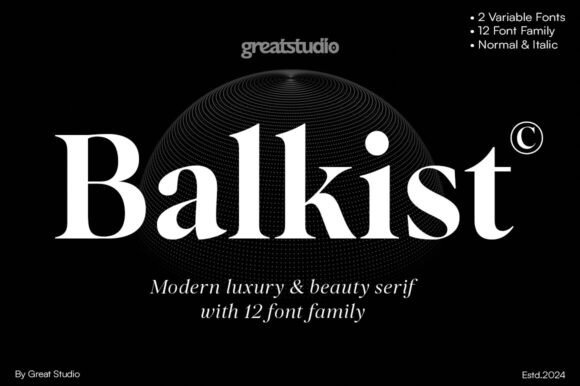
There’s something about the moment when you’re deep into an editorial layout project—whether it's a digital magazine cover, a recipe ebook title, or a printable planner section—and you realize that the right typeface can elevate the entire piece. Recently, I was redesigning a lifestyle blog header and found myself drawn to Balkist, a transitional and contemporary high contrast serif font with a harmonious balance between elegance and modernity. As someone who values both design aesthetics and readability in content publishing, I wanted to explore how Balkist could shape the tone and visual hierarchy of my layouts.
Balkist for Wedding Guides and Brand Identity
When I first encountered Balkist, I immediately thought of its potential for wedding guides and event branding. The natural curves and stylish character give it a refined yet approachable feel—perfect for evoking romance without being overly ornate. In one recent project, I used Balkist in a digital wedding guide’s main title and chapter headings. The high contrast of the strokes helped create a strong visual anchor, while the subtle serifs added a touch of sophistication. It didn’t overwhelm the reader but instead guided them through the content with grace.
I especially appreciated the range of weights from Light to Extra Bold. This allowed me to maintain a consistent brand identity across different sections, using lighter styles for subtitles and bolder versions for pull quotes or featured announcements. The versatility of Balkist made it easy to build a cohesive typographic system that felt both editorial and elegant.
Balkist in Lifestyle Blog Headers and Article Titles
For bloggers and publishers looking to refresh their headers or article titles, Balkist is a compelling choice. Its contemporary edge fits well within lifestyle and wellness blogs where clean design meets expressive typography. I tested it on a client’s blog redesign and found that Balkist performed exceptionally well at smaller sizes on mobile screens due to its clear letterforms and open counters.
The transition between traditional and modern elements in this serif font gives it a unique rhythm. Unlike many display fonts that sacrifice legibility for flair, Balkist maintains a balance that makes it suitable for both headlines and short blurbs. When paired with a minimalist sans serif body font, it created a warm yet professional look that enhanced the blog’s credibility and visual appeal.
Why Balkist Works for Digital Magazines and Newsletter Graphics
One of the standout moments with Balkist was during a digital magazine layout for a travel publication. The font brought a sense of adventure and style to the cover and feature pages. Using the Extra Bold weight for issue titles and the Medium weight for subheadings allowed me to establish a strong visual hierarchy without relying on color or texture.
In newsletter graphics, Balkist served as a bold focal point for section headers and pull quotes. Its high contrast made it stand out against background imagery, which is crucial for capturing reader attention in a crowded inbox. I also noted that the included ligatures and alternates gave the design a polished, premium font feel—ideal for clients aiming to present a thoughtful and curated experience.
Balkist in Recipe Ebooks and Printable Planners
Recipe ebooks often require a mix of warmth and clarity, and Balkist delivered just that. I used it for the title of each recipe, allowing the bold variations to highlight key ingredients or cooking times. The curves and contrast gave the text a handcrafted, almost artisanal vibe that aligned perfectly with the theme of homemade meals and culinary creativity.
In another case, I integrated Balkist into a printable planner layout. While I wouldn’t recommend using it for dense paragraphs or small captions, it worked beautifully for section dividers and weekly overviews. The font’s personality added a touch of refinement without sacrificing the usability of the planner. Readers commented on how the headings felt inviting and motivating, reinforcing the planner’s purpose as a tool for productivity and self-care.
Balkist for Chapter Openers and Pull Quotes in Course PDFs
As course creators increasingly focus on the design of downloadable materials, having a reliable Fonts package like Balkist becomes essential. I recently used it in a coaching workbook where each chapter opener needed to be both decorative and functional. The medium to semi-bold weights provided enough presence to signal importance without pushing the reader away.
Its use in pull quotes was equally impressive. Because of its high contrast and stylistic features, Balkist naturally drew the eye to key insights or testimonials, enhancing the educational value of the content. The font’s ability to support mood and message is what makes it particularly effective in academic or personal development contexts.
Font Pairing Suggestions for Editorial Layouts
While Balkist has a strong personality, it doesn’t dominate the page unless you want it to. That’s why it pairs so well with more neutral typefaces. For long-form reading sections, I recommend complementing it with a readable serif font such as Georgia or Lora. If your layout leans more towards minimalism, a clean sans serif like Helvetica Neue or Roboto would work well for body copy and navigation elements.
What I love most about Balkist is how it allows for creative font pairing without clashing. Its transitional roots mean it has a level of formality that bridges the gap between classic and modern styles. Whether you're working on web design or print-ready materials, Balkist can anchor your layout while leaving room for other design assets to shine.
Considerations for Screen Reading and Print Materials
One thing to keep in mind when using Balkist in real-world publishing projects is its performance at various sizes. On screen, it reads well down to 14px if set with proper leading and tracking. However, for small captions or dense paragraphs in either digital or print formats, it’s best to stick with a more subdued body font.
For print materials, Balkist handles beautifully. The high contrast and crisp lines translate well to physical media, especially when printed in high quality. I’ve seen it used effectively in book jackets and promotional flyers, always adding a layer of style and distinction.
Before finalizing any project with Balkist, it’s important to check the included styles and multilingual support. Depending on your audience, you may need certain language glyphs for commercial font use. Also, ensure you understand the licensing terms if you plan to use it in templates, paid newsletters, or client-facing publications.
Conclusion: A Thoughtful Addition to Your Typography Toolkit
Balkist isn’t just another Fonts option—it’s a carefully crafted serif typeface that supports editorial storytelling with its harmonious design and expressive range. Whether you’re building a brand identity for a digital magazine or designing a printable planner, Balkist offers the right amount of style and structure to make your content stand out.
If you're looking for a premium font that balances elegance with functionality, consider testing Balkist in your next layout. You might find, as I did, that it brings a quiet confidence to your designs and helps your message resonate more deeply with readers.