Cute Little Ghost Font for Branding and Creative Projects
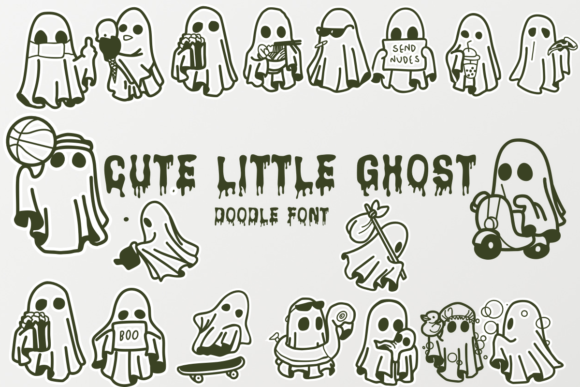
It started with a blank canvas — literally. I was working on a branding project for a cozy little handmade shop that sells whimsical, vintage-inspired home décor. The client wanted something soft yet playful to match their aesthetic. As I opened my design software and began sketching out the first mockups, I needed a typeface that could bring charm without being too loud. That’s when I stumbled upon Cute Little Ghost, a dingbat font with a sketch-style theme that immediately caught my eye.
Cute Little Ghost in Logo Design: A Sketchy Delight
I’ve used quite a few fonts over the years, but what makes Cute Little Ghost stand out is its hand-drawn character. It’s not just a font; it’s a collection of tiny illustrations — ghosts, hearts, stars, and other cute symbols — all stitched together in a cohesive style. For this logo, I wasn’t looking for words alone; I wanted visual interest. The ghost motif in the font lent itself perfectly to the brand’s name and personality. I placed a few of the dingbat characters subtly around the main text, creating a sense of warmth and creativity that the client loved.
As a designer, I always test how a font holds up at different sizes. Cute Little Ghost didn’t disappoint. At 36pt on a business card, it looked delicate and charming. On a storefront sign, it scaled beautifully without losing its sketch-like texture. This versatility is key for any branding work where the same identity needs to look good from afar and up close.
Cute Little Ghost for Wedding Invitations and Event Branding
While the primary project was for a boutique, I couldn’t help but imagine how Cute Little Ghost would work in other creative contexts. Wedding invitations are one area where dingbats shine, especially when you want to add subtle visual elements without overwhelming the message. I tested the font by incorporating some ghostly accents into a sample invitation layout. The result was elegant yet playful, which gave the event a unique, personalized feel. It wasn’t about screaming “look at me!” — it was more about evoking a mood through design details.
What I appreciated most was how easily it integrated with more traditional fonts. I paired it with a clean sans serif for the body text and a soft script for names, letting Cute Little Ghost act as an accent rather than a headline. This balance made the invitation feel both professional and whimsical, exactly what many clients aim for in high-end event design.
Using Cute Little Ghost in Packaging and Product Labels
The next step in the project was packaging design. The shop offers gift boxes filled with curated items like candles, stickers, and notebooks. Here, Cute Little Ghost really shined. I used the dingbat characters as decorative flourishes on tags and label borders. The sketch style added a tactile, almost artisanal feel that matched the brand’s ethos of handcrafted care and attention to detail.
I also experimented with using the font directly in short product names, such as “Ghostly Glow Candle.” While it worked well as a display font for headlines, I made sure to keep the body copy legible by switching to a complementary typeface. This way, the Cute Little Ghost dingbats elevated the overall design without hindering readability — a crucial consideration when designing for physical products that need clear information.
Cute Little Ghost in Social Media Graphics and Digital Templates
Once the core brand identity was set, I moved to digital assets. The client wanted a consistent presence across Instagram and Facebook. I created a series of social media graphics using Cute Little Ghost to highlight seasonal promotions and product launches. The ghostly sketches were perfect for overlaying on photos or adding visual rhythm to flat-lay images.
One challenge I encountered was ensuring the font didn’t get lost among the visuals. Since it’s a dingbat font with artistic flair, I had to be strategic about placement and contrast. I found that using it in smaller doses — like as bullet points or corner embellishments — helped maintain clarity while still keeping the design engaging. It’s not a font you’d use for long paragraphs, but it excels in supporting visual storytelling.
Font Pairing Tips When Working with Cute Little Ghost
When integrating a font like Cute Little Ghost into a full brand system, pairing becomes essential. It’s a display-type dingbat font, so it works best alongside more structured typography. In this project, I chose a classic serif font for headings and a minimalist sans serif for body text. The combination gave the brand a balanced look — the sketch-style characters brought playfulness, while the other fonts grounded the design in professionalism.
- Serif Fonts: Great for contrasting the casual vibe of Cute Little Ghost, ideal for headlines and taglines.
- Sans Serif Fonts: Work well for body text and captions, especially in digital formats.
- Script Fonts: Can blend seamlessly if they share a similar softness, but might clash with the sketch-style aesthetics.
Always remember: Cute Little Ghost isn’t a background player. It needs breathing room and should be treated as a premium font that adds value when used thoughtfully.
Testing Cute Little Ghost Before Committing to Commercial Use
Before finalizing anything, I ran a few tests. I printed a sample business card and viewed it under various lighting conditions. I also embedded the font in a website header mockup and checked how it rendered across different browsers and devices. The included file format (usually OTF or TTF) performed reliably, and the multilingual support was sufficient for the target audience — mostly local customers, but with occasional international buyers.
Commercial licensing was another point of focus. The font came with clear terms that allowed use in small business branding materials, which was important for this project. Licensing can make or break a font choice, so always double-check before committing to large-scale print runs or web integration.
Cute Little Ghost for Posters, Flyers, and Merchandise
In the second phase of the project, I designed a poster promoting the shop’s grand opening. I used Cute Little Ghost to create a border of ghostly silhouettes, giving the poster a gentle, magical edge. The client wanted to avoid anything too spooky and instead lean into a warm, welcoming atmosphere — which the font helped achieve with its light-hearted, sketch-based design.
For merchandise like tote bags and mugs, I incorporated the font into small phrases like “Welcome to Our World” or “Haunt Your Home.” These short-form uses let the font speak volumes without becoming distracting. The sketch-style dingbats also translated well into vector form, making them easy to scale and print accurately on fabric and ceramics.
Real-World Observations on Cute Little Ghost for Brand Identity
After presenting the full brand package — including logo, packaging, social media templates, and signage — the client was thrilled. They mentioned that the ghost characters felt personal and connected to their story as a small, community-focused business. That’s the power of a well-chosen font: it doesn’t just look good, it tells a story.
I observed that Cute Little Ghost added a layer of emotional resonance to the brand. It wasn’t overpowering, but it was memorable. And memorability is gold in brand identity work. Whether it’s a boutique or a wedding planner, having a visual hook that people associate with your business can boost recognition and loyalty over time.
Why Cute Little Ghost Fits into Modern Typography Trends
Sketch-style dingbat fonts are having a moment in modern typography, especially in niches like lifestyle brands, handmade goods, and indie businesses. Cute Little Ghost taps into that trend with ease. It brings a hand-crafted, authentic look that feels less corporate and more human. That’s a big plus in today’s market, where audiences crave connection and originality.
What I love most is that it doesn’t scream “cutesy.” Instead, it offers a quiet charm that blends well with more serious design elements. That duality makes it incredibly useful for a wide range of applications, from editorial design to restaurant menus. Just think about how a local café might use it to add whimsy to their latte art menu or how a skincare brand might incorporate it into product labels for a touch of elegance and fun.
Final Recommendations for Using Cute Little Ghost in Branding Projects
If you’re considering Cute Little Ghost for your next project, here’s what I recommend:
- Test it early: Don’t wait until the final stages. Try it in logos, headers, and even social posts during the mockup phase.
- Use it as an accent: Let it play supporting role rather than lead. Its charm lies in subtlety.
- Check the licensing: Make sure it fits your commercial needs, especially if you plan to use it in merchandise or online stores.
- Pair it wisely: Choose fonts that complement its mood — usually a serif or sans serif that provides structure and contrast.
- Scale it carefully: Ensure it looks good at all sizes, particularly on signage and printed materials.
Fonts like Cute Little Ghost aren’t just tools — they’re collaborators in the design process. When chosen right, they can elevate your work from functional to unforgettable. In this case, it helped turn a simple handmade shop into a brand with heart and soul.
How Cute Little Ghost Enhances Creative Projects Beyond Branding
While the main application was brand identity, I also saw potential in using Cute Little Ghost for other creative projects. For instance, in a recent DIY workshop flyer, I replaced standard bullet points with ghostly icons. It made the layout visually engaging and aligned with the hands-on, crafty nature of the event. Similarly, in a product catalog for a local artisan, I used the font to denote special collections, instantly drawing attention to unique offerings.
This kind of flexibility is rare in dingbat fonts. Many either feel too childish or too generic, but Cute Little Ghost walks the line between charm and sophistication. It works well in crafts, decorations, and even in more niche areas like stationery or book covers. If you're working on something that needs a bit of whimsy without going overboard, this font is worth testing.
Creating Consistency with Cute Little Ghost Across Design Assets
Consistency is everything in branding. Once I settled on Cute Little Ghost for the logo, I mapped out how it would appear across all touchpoints. From the homepage hero section of the shop’s site to the back of a greeting card, every use maintained the same tone and visual language. That consistency helps build trust and familiarity with the audience.
I also made sure to include alternate glyphs and ligatures in the font, which added variety without disrupting the brand’s voice. These small touches made the design feel intentional and refined — a must-have for any brand aiming to stand out in a crowded market.
Conclusion? No. Just Real Design Insight
Working with Cute Little Ghost has reminded me why I fell in love with typography in the first place. It’s not just about letters; it’s about expression. This dingbat font isn’t just a tool for designers — it’s a way to infuse personality into otherwise straightforward layouts. Whether you’re working on a logo, a poster, or a wedding suite, it adds a level of detail that resonates with both clients and end users.
So, if you’re a designer or brand creator looking for something fresh, something that brings a quiet spark of creativity to your work — give Cute Little Ghost a try. You might find, like I did, that it’s the missing piece your project didn’t know it needed.