Qictter Serif Font for Classy Branding and Logo Design
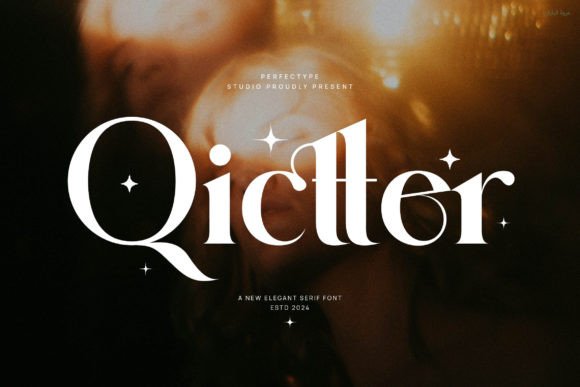
I was deep into a brand identity project for a boutique skincare line, sketching out a brand board when I stumbled upon Qictter. It was one of those rare moments where the right typeface just clicks. As a serif font, Qictter brought an instant sense of sophistication to the table — the kind you don’t often find in more modern or minimalist typefaces. What stood out immediately was its elegance and luxury, two qualities that are essential when building a brand that wants to communicate refinement and class.
Qictter in Logo Design: A Touch of Sophistication
When I first placed Qictter on a logo draft, it transformed the look from basic to upscale almost instantly. The subtle contrast between thick and thin strokes, along with the graceful serifs, gave the design a refined edge. I tested it against other premium fonts in my library, and while many offered similar visual weight, few matched Qictter’s balance of readability and style at a compact size. This makes it ideal for logo systems that need to be legible in both large and small formats — like storefront signs or product tags.
I paired it with a clean sans serif for supporting text, which helped maintain hierarchy without overpowering the main message. For a luxury branding feel, using Qictter as the primary logotype is a strong move, especially if your client is in fashion, beauty, or lifestyle niches.
Qictter for Brand Boards and Packaging Mockups
Next up, I tried Qictter on a brand board. The font added a level of professionalism that elevated the whole presentation. When used alongside muted tones and soft textures, it felt cohesive and intentional — not forced. In the packaging mockup phase, it performed exceptionally well on product labels and box headers. Its classic structure complemented high-end materials and finishes, reinforcing the idea of quality and attention to detail.
One thing I noticed was that Qictter really shines when used in short phrases. Whether it was a tagline on a bottle or a callout on a brochure, it carried weight and presence without being overwhelming. That said, I wouldn’t recommend using it for body copy or long paragraphs due to its decorative nature. It’s best reserved for headlines, titles, and accents.
Testing Qictter on Business Cards and Print Materials
I also applied Qictter to business cards for the same skincare brand. Printed in gold foil on textured cardstock, the font looked stunning — like it had always belonged there. The craftsmanship of the typeface made the print piece feel more exclusive and handcrafted. On digital assets, such as email signatures and PDF brochures, it retained its charm thanks to its crisp lines and clear character shapes.
In terms of use cases, this serif font is particularly effective in print-on-demand products like custom greeting cards, artisanal packaging, or branded merchandise. Just make sure to check commercial font licensing before finalizing any client deliverables or using it in production templates.
Using Qictter on Web Design and Social Media Layouts
For web design, I embedded Qictter as a headline font on the homepage hero section. It worked beautifully in combination with a modern sans serif for subheadings and body text. The key was ensuring sufficient spacing and color contrast so the font didn’t lose clarity on screen. While it isn’t optimized for long blocks of text, it adds a touch of personality to headings and calls to action, making them stand out without sacrificing aesthetics.
On social media layouts, Qictter proved to be a versatile creative font, especially for Instagram posts and Facebook banners. Its presence in short phrases or captions lent an air of exclusivity, perfect for brands looking to evoke a sense of timelessness or luxury. I did test it across multiple platforms and found that its performance varied slightly depending on resolution and background noise — something to keep in mind when placing it over photos or busy visuals.
Font Pairing Suggestions with Qictter
As someone who values harmony in typography, I experimented with various font pairings involving Qictter. One of the most successful combinations was pairing it with a simple sans serif for secondary text. The contrast created a nice visual rhythm, allowing the serif to dominate in impactful ways while the sans kept things grounded and readable.
- With a Script Font: Qictter pairs well with delicate script fonts for taglines or signature elements. Just be careful not to overdo it — too much flourish can clash.
- With a Modern Typography System: For a more contemporary twist, try it with geometric sans serifs. The juxtaposition works surprisingly well in editorial design or creative studio identities.
- With Handwritten Fonts: Avoid unless you're going for a vintage or nostalgic aesthetic. Qictter has enough character on its own.
Evaluating Included Styles and Variations
The Fonts package includes several styles and weights that allow for nuanced application. I found the bold variant especially useful for brand names and title treatments. The lighter weights were good for secondary headers or subtle accents. Ligatures and swashes were present and contributed to the font’s overall sophistication. However, the alternates weren’t overly abundant — enough to give options but not to overwhelm the designer.
If you're working on a multilingual brand or targeting international markets, confirm whether Qictter supports the necessary language sets. My tests covered English and some European languages, but for broader use, double-check the included glyphs and diacritics.
Real-World Applications and Limitations
During a recent project for a local café rebrand, I used Qictter for signage and menu headers. It gave the space a warm, inviting atmosphere with a hint of old-world charm. But when I tried it for in-store pricing or small label text, it became less effective. The intricate details got lost at smaller sizes, which is why I’d categorize it more as a display or accent font rather than a full system typeface.
This brings me to a practical note: avoid using Qictter in environments where it needs to be read quickly or at low resolutions. Think of it as the velvet jacket of your font collection — beautiful, but not always the most functional choice for every setting.
How to Test Qictter Before Committing
Before handing off a design to a client, I always do a quick real-world test with the chosen typeface. For Qictter, I printed a sample logo and business card layout, then viewed it from different distances and lighting conditions. I also embedded it in a live website prototype to see how it rendered across devices. These steps helped ensure that the font would hold up in all intended applications.
A great way to test Qictter is by applying it to a variety of real-use scenarios:
- Create a mockup of a shop sign and see how it reads from afar.
- Use it in a social media post header and assess legibility on mobile screens.
- Try it on a packaging label with limited space and see if it maintains clarity.
- Apply it to a brand board and evaluate how it interacts with colors and imagery.
These exercises will help you determine whether Qictter aligns with your brand’s tone and technical requirements.
Final Thoughts on Elegance and Practicality
Overall, Qictter impressed me as a serif font that balances elegance with functionality. It’s not just another pretty face; it’s a thoughtful addition to any brand designer’s toolkit. Whether you’re crafting a new identity for a luxury boutique or adding a touch of class to a handmade shop’s packaging, Qictter delivers the kind of visual impact that helps brands stand out in a crowded market.
That said, it’s important to understand its limitations. Because it’s a stylized Fonts option, it requires careful handling in terms of spacing, sizing, and context. But when used correctly, it becomes a powerful element in your design narrative.
If you're working with clients who value elegance and luxury, consider integrating Qictter into their brand identity. It’s a font that doesn’t shout — it whispers with confidence, and that's exactly what premium brands are looking for.