Ballite: A Script Font for Modern Editorial Design
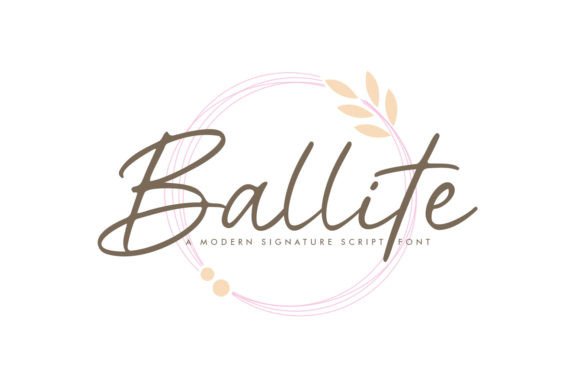
I was recently working on a redesign of a digital lifestyle blog when I stumbled upon Ballite, a script handwritten font that immediately caught my eye. The moment I opened the sample text in my design software, I knew this wasn’t just another decorative typeface — it had rhythm, elegance, and a quiet confidence that made it feel right at home in editorial settings. As someone who spends countless hours choosing the perfect fonts to enhance readability and mood, Ballite stood out as a rare gem among modern fonts. It’s not just beautiful; it works.
Why Ballite Feels Perfect for Magazine Covers and Blog Headers
In editorial design, especially for print or digital magazines, the cover is your first impression. When I tested Ballite on a new digital magazine layout, its clean and stylish form elevated the visual appeal without overwhelming the reader. Unlike many script handwritten fonts that can become too ornate or difficult to read at smaller sizes, Ballite maintains an elegant balance between artistry and legibility. Its open apertures and consistent stroke weight make it surprisingly readable even in tight spaces — a huge plus when you're designing headers for mobile screens or PDF exports.
What I love most about using Ballite in blog headers is how it adds a touch of sophistication while still feeling approachable. It doesn’t scream “look at me,” but rather invites the reader in with its soft curves and refined structure. For content that aims to be both informative and visually appealing, like a wellness blog or a travel journal, Ballite offers the ideal tone — modern yet warm, professional yet personal.
Ballite for Wedding Guides and Lifestyle Printables
A few weeks ago, I was tasked with creating a printable wedding guide for a boutique event planner. The challenge was to craft something that felt luxurious but also practical enough to be printed and handed out. That’s where Ballite truly shined. Used sparingly for section titles and pull quotes, it brought a sense of romance and exclusivity to the layout. Paired with a minimalist sans serif body font, the contrast was striking — the script handwritten font commanded attention without clashing, which is essential in font pairing for any editorial project.
For lifestyle printables such as planners or worksheets, Ballite adds a level of charm that feels handcrafted. Whether it's for a productivity planner or a mindfulness worksheet, the font’s personality brings warmth and intentionality to the page. It’s one of those Fonts that makes your design assets feel more human — less automated and more alive.
How Ballite Enhances Brand Identity in Recipe Ebooks
When designing a recipe ebook for a food blogger, the choice of font plays a crucial role in setting the tone. Ballite offered the perfect blend of creativity and clarity. The title pages used it prominently, giving each chapter a personal, artisanal feel. Readers could instantly tell this was a publication meant to inspire, not just inform. In the world of Fonts for digital products, having a typeface that supports brand identity is invaluable. Ballite does this effortlessly by conveying a sense of curation and care through every character.
Ballite in Digital Magazines and Newsletter Graphics
Working on a digital magazine layout last month, I needed a display font that could carry the title across multiple platforms — from web to social media teasers. Ballite delivered exactly what I needed. It scaled beautifully, looked crisp in thumbnails, and retained its elegance in full-screen layouts. Using a script handwritten font in newsletter graphics is a bold move, but when done correctly, it adds a unique flair that separates your content from the crowd. Ballite allowed me to maintain that uniqueness while ensuring that the message remained clear and accessible.
I found myself reaching for Ballite again when crafting pull quotes for a client’s monthly newsletter. These are often overlooked, but they’re key to drawing readers into articles. With its modern typography, Ballite gave those pull quotes a distinct presence without becoming distracting. It worked particularly well with longer lines of text because the spacing between characters was generous enough to keep the flow natural.
Readability Considerations for Web and Print Projects
One concern I always have when using script or handwritten Fonts is their performance in long-form reading. But with Ballite, I was surprised. Though it’s clearly a script handwritten font, its subtle variations and smooth transitions helped it avoid the typical pitfalls of illegible scripts. On screen, it rendered cleanly at 16px and above, and when exported to PDF, it maintained its integrity across various devices. This made it suitable for everything from article titles to chapter openers in course materials.
For mobile layouts, I adjusted the weight slightly and paired it with a light sans serif font for captions and navigation. The result was a hierarchy that felt intentional and easy to follow. Ballite never overshadowed the content, which is what every thoughtful designer wants — a font that supports the message, not competes with it.
Using Ballite for Chapter Titles and Decorative Accents
In a recent coaching workbook project, I wanted to give each chapter a fresh, inspiring start. Instead of relying on standard headings, I used Ballite to create a custom chapter opener. The impact was immediate. Readers commented on how the font made them feel like they were opening a hand-bound book filled with wisdom and guidance. That’s the power of a good Font — it can influence perception and elevate user experience.
Ballite also works well as a decorative accent in editorial designs. Think of it as punctuation in ink form. I’ve used it to highlight key phrases in sidebars, add subtle emphasis to subheadings, and even create small call-out boxes in a digital magazine layout. Because it’s so versatile, it allows you to inject personality into your Fonts choices without sacrificing professionalism.
Practical Tips for Working with Ballite in Real Projects
- Check included styles: Many script Fonts offer alternates and ligatures. Ballite does, and knowing how to access them can add depth to your design work.
- Consider licensing: Before embedding Ballite into a commercial project — whether it's a paid newsletter, a downloadable planner, or a client’s branding — verify that the license supports your intended use.
- Pair carefully: While Ballite stands out on its own, it pairs exceptionally well with clean sans serif or classic serif Fonts for body copy. This ensures your layouts remain functional and scannable.
- Use it for impact: Reserve Ballite for high-attention areas like logos, banners, and feature headlines. Its style is best suited for short bursts of text where elegance matters most.
Ballite for Book Covers and Content Branding
If you're an author or indie publisher looking for a Font that elevates your book covers without being over the top, Ballite is a great candidate. Its modern and elegant look fits perfectly with contemporary literary styles, from self-help guides to creative nonfiction. And since it’s a script handwritten font, it gives your brand a personal touch that’s hard to achieve with more rigid typefaces.
I recently applied it to a collection of digital course PDFs and saw how it helped unify the look across all materials. Each cover felt cohesive, yet individual — a subtle but powerful aspect of strong content branding. Ballite added just the right amount of texture to differentiate sections without confusing the reader.
Designing with Ballite Across Platforms
Whether you're crafting a social media graphic for a new blog post or laying out a landing page for a digital product, Ballite adapts seamlessly. It has a consistent weight and shape that helps maintain visual unity across different formats. And because it’s optimized for screen reading, it holds up well on websites, apps, and mobile-friendly newsletters.
For print projects, like a premium wedding planner or a luxury lifestyle magazine, Ballite brings a tactile quality that digital-only Fonts sometimes lack. The fluidity of the strokes gives the illusion of something crafted by hand, which is a compelling aesthetic for print materials that aim to feel exclusive or bespoke.
Final Thoughts on Ballite for Editorial Projects
After spending time with Ballite, I can confidently say it’s one of the more refined script handwritten fonts I’ve encountered. It strikes a delicate balance between beauty and utility, making it suitable for a wide range of editorial applications. From digital magazines to printable guides, from wedding invitations to recipe ebooks, Ballite enhances the reading experience by adding a layer of thoughtfulness to every layout.
If you're a blogger, publisher, or editorial designer who values both aesthetics and functionality, I recommend giving Ballite a try. You might just find that it becomes a staple in your Fonts toolkit — not only for its visual appeal but for the way it quietly elevates your content and connects with your audience.