Clamshell Font: A Timeless Sans Serif Typeface for Web Design
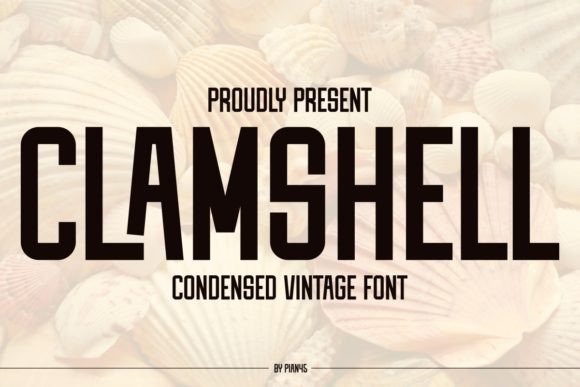
As a web designer, choosing the right font is more than just picking something that looks good — it’s about enhancing readability, reinforcing brand tone, and ensuring visual harmony across digital platforms. That’s why when I discovered Clamshell, a condensed vintage sans serif font, I knew it had the potential to elevate a wide range of design projects. With its clean lines and compact structure, Clamshell offers a unique blend of retro charm and modern usability, making it an excellent choice for impactful headlines, elegant branding, and conversion-focused layouts.
Clamshell as a Display Font for Website Headers
Clamshell shines brightest in website headers and hero sections. Its condensed nature allows for bold, punchy text without overwhelming screen space, which is especially useful on mobile devices where every pixel counts. The vintage sans serif character gives it a nostalgic feel while maintaining crisp edges that work well at smaller sizes. This makes it ideal for minimalist landing pages or luxury-themed websites where typography needs to command attention without sacrificing clarity.
I’ve used Clamshell in several project headers, including a creative portfolio site and a boutique online store. In both cases, it helped establish a strong first impression by pairing elegance with approachability. When placed over full-bleed images or video backgrounds, its high contrast and defined letterforms ensure legibility even in challenging environments.
Clamshell for Retro-Themed Landing Pages and Branding
Designers who specialize in retro aesthetics or vintage-inspired branding will find Clamshell to be a perfect fit. Its condensed shape and subtle vintage detailing allow it to stand out in a sea of generic sans serif fonts. Whether you're designing a throwback-style product launch page or a music festival landing site, Clamshell can help you create a sense of nostalgia while keeping your layout clean and professional.
The key to using Clamshell effectively in these contexts is to balance its decorative qualities with functional readability. Because it's a display font, avoid using it for long paragraphs or body copy. Instead, reserve it for headlines, subheadings, and call-to-action buttons where its typographic personality can make a lasting impact without confusing the user.
Using Clamshell in Conversion-Focused Layouts
In the world of digital marketing, the goal is often to convert visitors into customers. Typography plays a crucial role in this process by guiding the eye, emphasizing key messages, and conveying trust. Clamshell is particularly effective in CTA areas due to its structured yet warm appearance. It feels professional enough for business contexts but retains a human touch that appeals to creative audiences.
On one SaaS client’s landing page, I used Clamshell for the hero title and section headings. The result was a polished, trustworthy interface with a creative edge. Users were able to scan content quickly thanks to the font’s consistent rhythm and clear spacing. The combination of vintage style and modern functionality made it easy to justify the investment in a premium font.
Clamshell for Creative Portfolios and Personal Branding
Creative professionals such as designers, photographers, and artists often seek typefaces that reflect their unique aesthetic. Clamshell fits the bill with its refined, vintage-inspired look. It works beautifully in portfolio sites where the designer wants to showcase a timeless yet contemporary vibe.
I recommend using Clamshell in large-scale titles, navigation bars, and signature blocks. For body text, pair it with a simpler sans serif font or a clean serif option to maintain hierarchy and readability. The contrast between a decorative display font like Clamshell and a neutral supporting typeface helps users focus on what matters most — the content and visuals.
Clamshell in Online Shop Banners and Product Displays
E-commerce designers know that typography can influence purchasing decisions. Clamshell brings a sense of sophistication to product banners, sale announcements, and category headers. Its compact width ensures that even short phrases are impactful without taking up too much real estate.
When using Clamshell for banners, keep the color contrast in mind. Light versions of the font work best on dark backgrounds, while darker weights pop against white or pastel tones. I've seen it perform exceptionally well in seasonal sales campaigns, where the vintage flair adds a layer of authenticity and charm.
Clamshell for Mobile and Responsive Web Design
Mobile optimization is non-negotiable in today’s web design landscape. Fortunately, Clamshell holds up well on smaller screens. Its condensed form reduces line breaks, making it suitable for tight spaces like app menus, social media cards, and email subject lines. However, because it's a display font, it's best to use lighter weights for small text elements and heavier ones for prominent titles.
To ensure optimal performance across devices, always test how Clamshell renders in different viewport sizes. Use tools like Google Fonts or Adobe Fonts if available to access web-ready formats and ensure cross-browser compatibility. Remember, even the most beautiful font won’t help if it becomes illegible on mobile.
Font Pairing Strategies with Clamshell
Pairing Clamshell with the right supporting fonts is essential for a cohesive design. Since it's a vintage sans serif, consider balancing it with a modern sans serif for body text or a classic serif for editorial-style content. This approach keeps the design from feeling overly ornate while preserving the unique character of Clamshell.
- Clamshell + Roboto: Clean and contemporary, great for tech startups and SaaS brands.
- Clamshell + Merriweather: Elegant and readable, perfect for blogs and lifestyle sites.
- Clamshell + Lora: Adds warmth and professionalism, ideal for coaching or personal development websites.
For digital ads or banners, try combining Clamshell with a bold script or handwritten font to add contrast and interest. Just be careful not to overuse decorative styles — they should complement rather than compete with the main message.
Clamshell for Logo Design and Branded Content
Logos and branded assets need to communicate instantly recognizable identity. Clamshell has a distinctive look that can set your logo apart while still feeling refined and professional. Its vintage roots give it a story-like quality, which is especially valuable for brands targeting niche markets like vintage fashion, artisanal products, or retro-themed services.
One practical tip: use Clamshell in all caps for logos to enhance its structured appearance. You’ll also want to check for alternates and ligatures if included in the font package, as they can help personalize the typeface further. And don’t forget to review commercial licensing terms — especially if you’re integrating it into brand kits or selling templates with it embedded.
Clamshell in Blog Graphics and Social Media Posts
Bloggers and content creators often rely on strong typography to capture attention in thumbnails and preview images. Clamshell is a go-to option for blog headers, YouTube titles, and Instagram carousel posts. Its vintage aesthetic pairs well with imagery related to travel, fashion, food, and lifestyle niches.
For maximum impact, use Clamshell in short, punchy phrases. Avoid cramming too many words into a single graphic — the font is at its best when given room to breathe. Also, consider the background texture; it complements matte finishes and soft gradients, enhancing the overall visual appeal without distracting from the message.
Clamshell in Course Sales Pages and Educational Websites
Course creators and educational platforms benefit from typography that conveys authority and accessibility. Clamshell strikes the right balance here. Its vintage style suggests experience and tradition, while the sans serif construction ensures it remains fresh and easy to read.
I’ve used Clamshell in course titles and feature highlights, where it helped establish credibility and visual consistency. Pair it with a softer secondary font for descriptions and testimonials to guide the reader through the page without losing engagement. Make sure to highlight the multilingual support if you're targeting international students or clients.
Readability Tips for Using Clamshell in UI Elements
While Clamshell is primarily a display font, there are scenarios where it can enhance UI components. For instance, it works surprisingly well in buttons and menu items when used in smaller weights and larger sizes. The key is to maintain sufficient contrast and whitespace around each element to prevent visual fatigue.
Here are a few tips for integrating Clamshell into UI design:
- Use light or medium weights for buttons to reduce visual weight.
- Keep line height generous to improve scanning behavior on mobile.
- Avoid using it for microcopy — opt for a simpler sans serif instead.
- Test it on dark mode interfaces to ensure it doesn’t lose clarity.
Why Clamshell Stands Out Among Other Fonts
There are countless sans serif fonts available today, but few manage to blend vintage inspiration with digital usability as seamlessly as Clamshell does. Unlike some retro fonts that become illegible at smaller sizes, Clamshell maintains its clarity and charm. It’s also more versatile than many other condensed fonts, fitting naturally into both minimalist and richly styled interfaces.
Its compact design means less horizontal space is needed for headlines, allowing for tighter grids and more flexible layouts. This is particularly useful in multi-column designs or side-by-side comparisons. Plus, the font’s clean lines mean it works equally well in print and digital contexts, making it a solid choice for brand assets that span multiple mediums.
Clamshell Licensing and Commercial Use
Before incorporating Clamshell into your next client project or e-commerce site, it’s important to understand the licensing options. Most premium fonts require a license based on usage scope — whether it’s for personal use, a single website, or multiple domains. Always verify the license covers your intended platform, especially if you plan to use it in a template or resell it as part of a design asset bundle.
Some font providers offer webfont licenses, which are essential for embedding Clamshell in CSS files or using it on hosted platforms like Shopify or Squarespace. If you're building a SaaS tool or a multi-user system, you may need a more comprehensive license to cover all instances of use. Investing in the correct permissions ensures your design remains compliant and your brand protected.
Final Takeaway: Clamshell as a Strategic Typography Choice
Typography isn’t just about beauty — it’s about strategy. Clamshell is a strategic font choice for anyone looking to add a touch of vintage elegance without compromising on digital performance. Whether you're crafting a hero headline, designing a logo, or optimizing a call-to-action button, Clamshell provides the right amount of character and clarity to meet your goals.
From its condensed form to its timeless sans serif structure, Clamshell supports visual hierarchy, enhances brand tone, and contributes to a memorable user experience. So if you're a web designer, marketer, or digital creator seeking a font that bridges the gap between nostalgia and modernity, it's time to bring Clamshell into your toolkit.