Jackbrush: A Font for Creative Publishing
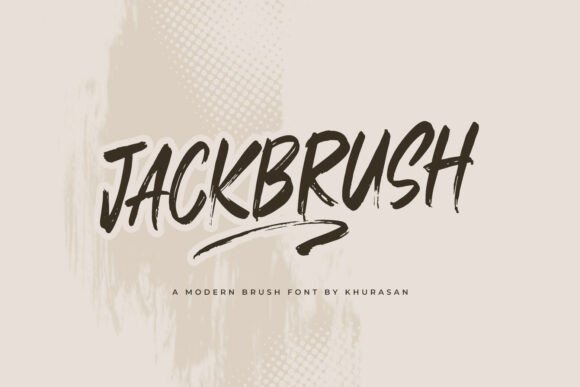
Recently, I found myself redesigning the header of a lifestyle blog I manage. The goal was to give it a fresh, inviting look that would capture attention and set the tone for the content within. That’s when I discovered Jackbrush, a modern brush font with a personality all its own. As a blogger who values thoughtful design, I knew I had stumbled upon something special—a script handwritten font that felt both authentic and stylish.
Jackbrush in Editorial Design Projects
When I first opened the Jackbrush typeface, I was struck by its rhythm. It’s not just another Fonts choice; it's an experience. The brush strokes flow with a natural elegance, making it ideal for editorial layouts where visual hierarchy is key. For my blog, I used it as the primary headline font, paired with a clean sans serif body text. This combination helped guide readers from the title into the article without overwhelming them.
The Script Handwritten style of Jackbrush brings warmth and character—perfect for projects that aim to feel personal yet professional. Whether you're designing a digital magazine cover or a printable planner, this font adds a touch of creativity and charm that can elevate your brand identity.
Jackbrush for Wedding Guides and Event Branding
I also experimented with using Jackbrush in a wedding planning guide I was formatting for print. The romantic flair and organic curves of the font made it a great fit for titles like “Setting the Table” and “Your First Dance.” These are moments where a Fonts choice can make all the difference in evoking emotion and setting the scene.
For event branding or any kind of elegant project, Jackbrush feels like a natural extension of hand-lettered typography. It’s quirky enough to stand out but refined enough to maintain professionalism. In one layout, I layered it subtly over a watercolor background, and it worked beautifully—drawing the eye without clashing with the imagery.
Why Script Handwritten Fonts Work for Chapter Openers
In another case, I was working on a recipe ebook for a client. They wanted the chapters to feel warm and approachable, almost like handwritten notes from a friend. After trying several options, Jackbrush became the clear favorite. Its Script Handwritten nature gave each section a unique, artisanal feel, especially when used for chapter openers and pull quotes.
What makes Jackbrush so effective in these scenarios is its balance between whimsy and clarity. Unlike some more elaborate Fonts, it doesn’t sacrifice readability for style. Readers could easily follow the flow of the book without being distracted by overly decorative elements.
Jackbrush in Printables and PDF Layouts
One of the most surprising places I’ve used Jackbrush is in a printable mindfulness planner. Since the file was going to be exported as a PDF and shared digitally, I needed a font that looked great across devices. Jackbrush performed admirably—its brush-style letters retained their softness and expressiveness even at smaller sizes.
It’s important to note that while Jackbrush shines as a display font, it should be reserved for headlines, accents, and short bursts of text. For body copy, I always recommend pairing it with a more structured Fonts option. Think of it as the voiceover to a story, rather than the entire narrative.
Creating Visual Hierarchy with Jackbrush
Visual hierarchy is crucial in any publication, whether digital or print. I recently used Jackbrush in a digital magazine layout, applying it to feature headlines and sidebar headings. The contrast it created against a minimalist sans serif body text was subtle but powerful. Readers gravitated toward the bold, expressive titles before settling into the quieter, more readable sections below.
This kind of Fonts pairing helps establish a mood while maintaining usability. Jackbrush, as a Script Handwritten typeface, naturally draws attention, which is why it works so well in logos, banners, and posters. But when used thoughtfully in editorial contexts, it becomes a tool for storytelling.
Font Pairing Tips for Bloggers and Publishers
To get the most out of Jackbrush, I suggest looking for a complementary serif or sans serif font. I often pair it with Georgia for a cozy, classic feel or Helvetica Neue for a sleeker, more contemporary vibe. This ensures that the reader experience remains smooth and engaging, even after they've been drawn in by the expressive headline.
If you're working on a newsletter or a course PDF, consider using Jackbrush for your headers and then switching to a neutral Fonts for captions, menus, or navigation bars. This method maintains consistency in your brand identity while allowing each element to serve its purpose clearly.
Readability Across Platforms
A common concern when using a Script Handwritten font like Jackbrush is how it will perform on mobile screens. During my testing phase, I noticed that it scaled well and didn’t lose its character when viewed on smaller devices. However, it’s essential to adjust letter spacing slightly for optimal screen reading. This small tweak ensured that the font remained legible and aesthetically pleasing across all platforms.
For long-form content such as articles or worksheets, I recommend avoiding Jackbrush in body text entirely. Instead, use it sparingly for section headings, quotes, or decorative accents. This way, it enhances the layout without interfering with the actual reading experience.
Jackbrush for Digital Magazines and Branding Materials
Digital magazines often require a strong visual anchor to keep readers engaged. When I applied Jackbrush to a travel-themed issue, it immediately added a sense of adventure and artistry. The font’s quirkiness matched the playful tone of the stories, while its sophistication elevated the overall design.
Another place where Jackbrush truly shined was in a branding package for a wellness startup. We used it for the logo and in social media graphics. The Fonts choice helped the brand stand out in a crowded market and gave it a distinct, memorable identity. It wasn’t just a font—it became part of the brand’s voice.
Understanding the Mood of Your Typography
Choosing the right Fonts isn’t just about aesthetics; it’s about aligning with the mood of your content. Jackbrush has a light-hearted, almost conversational energy. It’s perfect for blogs that focus on lifestyle, fashion, food, or creative writing. If your content leans towards inspiration and beauty, Jackbrush might just be the missing piece in your design toolkit.
I’ve come to appreciate how a single Script Handwritten font can influence the emotional tone of a publication. In a recent project for a poetry anthology, Jackbrush lent itself to the lyrical nature of the work. Used for the cover and chapter titles, it added a layer of intimacy that a standard Fonts couldn’t replicate.
Practical Considerations Before Downloading Jackbrush
Before incorporating Jackbrush into any commercial publication, it’s vital to check the licensing terms. Like many premium fonts, Jackbrush may require specific permissions depending on your intended use—whether you’re publishing a paid newsletter, creating templates for clients, or selling printables online.
You should also explore the included styles and alternates. Some variations offer slight adjustments in weight or stroke variation, giving you flexibility in how you apply the font across different formats. Ligatures and multilingual support are additional perks that can be useful if you're targeting international audiences or producing content in multiple languages.
File Formats and Compatibility
Make sure the file formats provided (like TTF or OTF) are compatible with your design software and publishing platform. I personally prefer OTF files because they tend to render more consistently across devices. Also, test how the font looks in various applications—especially if you plan to export designs as PDFs or embed them in web pages.
As someone who creates both digital and print assets, I value a Fonts that adapts well to different mediums. Jackbrush handled both beautifully, proving itself a versatile asset in any designer’s library.
Using Jackbrush in Course PDFs and Coaching Workbooks
Coaching workbooks and educational PDFs often benefit from a friendly, approachable aesthetic. Jackbrush fits perfectly here, especially for titles and motivational pull quotes. It conveys encouragement and creativity, which are key components in learning materials.
I once designed a 40-page self-care workbook using Jackbrush for the main title and exercise headers. The font helped create a warm, supportive atmosphere that resonated with users. Paired with a simple sans serif for instructions and body text, it allowed the content to breathe while still feeling cohesive.
Jackbrush and Audience Engagement
Design choices have a direct impact on audience engagement. I’ve noticed that when I use Jackbrush in newsletter headers or social media posts, people tend to pause longer. The Script Handwritten style invites curiosity and connection, two elements that are hard to quantify but easy to recognize in action.
For bloggers and publishers, this means that Jackbrush isn't just about looking good—it's about performing well. It encourages interaction, supports brand recognition, and contributes to a more immersive reading experience.
Final Thoughts on Choosing the Right Font
Typography is more than just text—it's communication through form. Jackbrush is a testament to how a Fonts can shape the perception of your content. Whether you're crafting a Script Handwritten look for a wedding guide or injecting life into a digital magazine, this font offers a unique blend of charm and clarity.
Its ability to adapt across platforms, from mobile blogs to printed guides, makes it a valuable addition to any editorial designer’s workflow. Just remember to use it intentionally and pair it wisely. With the right approach, Jackbrush can become the signature element in your next creative project.
So, if you're on the lookout for a Fonts that bridges the gap between artistic expression and functional design, consider giving Jackbrush a try. You might find, like I did, that it transforms the way your audience interacts with your content.