The Wildtern Font: A Western-Inspired Slab Serif for Editorial Design
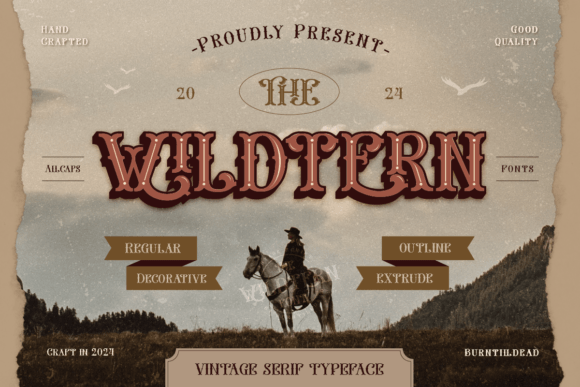
The Wildtern, a Slab Serif font, brings the rugged elegance of the old west into modern editorial design. Its bold, structured letterforms and ornamental flourishes evoke a sense of nostalgia and charm that’s perfect for content creators who want to stand out with a unique typographic voice. Whether you’re crafting a digital magazine cover, designing a printable planner, or setting the tone for a wedding guide, this Fonts choice can anchor your visual identity in style.
Using The Wildtern for Magazine Covers and Chapter Openers
For magazine designers, The Wildtern is an excellent option when creating covers that need to command attention while maintaining a vintage aesthetic. Its slab serif structure gives it a strong foundation, making it ideal for bold headlines and chapter openers. Pair it with a clean sans serif font like Lato or Montserrat for body text to balance its ornate character with readability. This combination ensures your publication feels both stylish and professional.
In digital magazines, especially those focused on travel, history, or lifestyle themes, The Wildtern can set the mood instantly. Consider using it for feature titles or pull quotes where you want to highlight key phrases without overwhelming the reader. Its decorative ornaments add just enough detail to create interest without compromising clarity — a rare find in the world of Fonts.
The Wildtern for Wedding Invitations and Branding Materials
If you're working on wedding invitations, branding assets, or special event announcements, The Wildtern offers a compelling mix of romance and ruggedness. The font's western-inspired flair makes it a standout for themed weddings or rustic barn events. It reads well at both large and small sizes, which means it can work beautifully on everything from envelope seals to program headers.
Its personality also fits well in logo design and packaging for businesses with a western theme — such as craft breweries, apparel brands, or artisanal food products. When used sparingly and thoughtfully, The Wildtern adds authenticity and warmth, helping to build a stronger emotional connection between the brand and the audience.
How The Wildtern Elevates Blog Headers and Newsletter Graphics
Bloggers and newsletter writers often look for a Slab Serif font that adds character without being too heavy-handed. The Wildtern delivers exactly that. Its bold weight and distinctive serifs make it perfect for blog headers, especially in niche categories like storytelling, history, or creative writing. It helps establish a clear visual hierarchy right from the start, guiding readers through your content effortlessly.
When designing newsletter graphics, consider using The Wildtern for section headings or featured quote boxes. Its decorative elements lend themselves well to graphic treatments like drop shadows, gradients, or hand-drawn borders. These subtle enhancements can make your layout more engaging without sacrificing professionalism.
The Wildtern in Recipe Ebooks and Printable Guides
Recipe ebooks and printable guides benefit greatly from thoughtful typography. The Wildtern works particularly well in these contexts when paired with a legible serif font like Georgia or Times New Roman for body copy. The contrast between a decorative Slab Serif and a traditional serif creates a harmonious layout that invites readers to stay longer.
For example, use The Wildtern for recipe titles or step-by-step headings to emphasize each part of the cooking process. In printable guides, it can help differentiate sections visually, improving navigation and user experience. Just be sure to test how it looks across different devices and print resolutions — its ornate details might require slightly higher weights or spacing adjustments for optimal legibility.
Creating Visual Hierarchy with The Wildtern in Digital Publications
Visual hierarchy is crucial in any publication, whether it’s a long-form article or a short newsletter. The Wildtern shines in this area due to its strong presence and contrasting features. As a display Font, it naturally draws the eye and can be used to create emphasis in key areas like lead magnets, call-to-action buttons, or promotional banners.
To maintain consistency throughout your publication, stick to one or two styles of The Wildtern. If the font includes alternates or ligatures, explore them to add subtle variation without disrupting the overall design. For digital publications, always ensure the font renders clearly on mobile screens and in PDF formats. This is where testing comes in handy before finalizing layouts.
Is The Wildtern Suitable for Long-Form Reading?
While The Wildtern is undeniably attractive, it's best reserved for display purposes rather than extended reading. The ornate details and heavier stroke contrast may hinder readability in dense paragraphs, especially on smaller screens. However, it excels in section headings, pull quotes, and sidebars. Think of it as the visual punctuation that breaks up text and keeps the reader engaged.
Use it strategically in ebook titles or chapter headings to signal transitions without overwhelming the reader. For body copy, choose a more neutral Slab Serif or serif font to complement its bold presence and keep the flow smooth.
Designing Lead Magnets and Worksheets with The Wildtern
Lead magnets are all about instant impact and trust-building. The Wildtern can give your free worksheets, checklists, or planners a memorable look that aligns with your brand identity. Its western charm is especially effective for niches like outdoor adventure, wellness retreats, or personal development programs that lean into a rugged, independent vibe.
When designing lead magnets, pair The Wildtern with a minimalist sans serif for form fields and captions. This pairing ensures functionality isn’t compromised by style. Also, consider using accent colors or textures to enhance the font’s visual appeal without making the text hard to read.
Commercial Use and Licensing Considerations
If you plan to use The Wildtern in commercial projects — such as selling an ebook, distributing paid newsletters, or creating branded templates — it's essential to review the font’s licensing terms. Some Fonts allow limited commercial use, while others offer extended licenses for digital downloads, printables, or client-based projects. Make sure your chosen license supports the scope of your editorial output to avoid legal issues later.
For digital product creators, understanding the nuances of commercial font usage is key. You don’t want to invest time in building a beautiful brand identity only to discover it can't be legally sold or distributed. Always confirm what’s included in the font package — styles, alternates, ligatures, multilingual support — to match your project needs accurately.
The Wildtern in Social Media Graphics and Content Branding
Social media platforms demand fonts that are both legible and eye-catching. The Wildtern meets this challenge with its strong presence and unique character. It works well in pinned posts, carousel headers, or Instagram stories where you want to convey a story-driven or thematic message. Especially if your brand leans into Americana, heritage, or rustic aesthetics, this Slab Serif can become a signature element of your visual language.
Integrate The Wildtern into your content branding consistently. From email signatures to website headers, repetition of the same typeface builds recognition and trust. But remember to keep the rest of your Fonts palette cohesive — not cluttered. Too many display fonts can confuse the reader and dilute your brand’s visual message.
Why The Wildtern Works Well in Lifestyle Blogs and Creative Projects
Lifestyle blogs that focus on travel, fashion, or cultural storytelling can benefit from the distinctiveness of The Wildtern. Its timeless western charm suits narratives that aim to transport readers to another place or era. For instance, a travel blog about cowboy culture could use this Slab Serif for location names or featured destination highlights.
As a creative font, it’s also great for podcast artwork, YouTube thumbnails, or course titles. The decorative ornaments can be highlighted through background textures or overlays, giving your designs a handcrafted feel. Just be cautious not to overdo it; let the font speak for itself in most cases to preserve its elegance.
Practical Tips for Using The Wildtern in Editorial Layouts
- Use it for headlines and chapter titles to establish visual rhythm and hierarchy.
- Pair with a serif font for body copy to maintain readability and balance.
- Reserve its use for short texts like pull quotes, testimonials, or taglines.
- Test its appearance in both print and digital formats to ensure it looks sharp across all mediums.
- Explore included weights and styles to vary tone subtly within a publication.
These tips will help you integrate The Wildtern effectively without letting it dominate the layout. A well-placed heading can elevate the entire design, but overuse can distract from the content itself.
The Wildtern and Modern Typography Trends
Today’s editorial design trends favor fonts that tell a story. The Wildtern fits perfectly into this trend, offering a blend of historical inspiration and modern adaptability. Unlike generic Fonts, it adds a layer of personality that resonates with audiences seeking authenticity in their reading experiences.
Its Slab Serif roots mean it has a solid base that won’t waver under scrutiny. Yet the added decorative touches set it apart from more traditional choices. This duality makes it a powerful tool for content creators who want to express individuality without sacrificing professionalism.
Testing The Wildtern Across Platforms and Devices
Before committing to The Wildtern for a full publication, test it across different platforms and screen sizes. On websites and apps, ensure it scales well and doesn’t lose clarity at smaller sizes. For PDF exports and print materials, check how the ornamental details hold up under various resolution settings. You’ll want every version of your content to reflect the same quality and intentionality.
Consider using web-safe fallback fonts for mobile users until The Wildtern loads, ensuring no disruption in the reading flow. In printables, always embed the font to maintain consistency when files are shared or downloaded.
Final Applications: From Digital Magazines to Handcrafted Printables
With The Wildtern, you can bring a touch of the wild west to your editorial design projects. Here are a few specific scenarios where it truly shines:
- Digital magazines with a western or adventure theme — use it for cover titles and issue tags.
- Printable planners and calendars — apply it to month headers or motivational quotes.
- Course titles and landing pages for online classes — leverage its boldness to capture attention.
- Newsletter headers and section dividers — create visual separation that feels intentional and elegant.
Each of these applications benefits from the font’s ability to convey emotion and character. And since it’s designed with Slab Serif clarity in mind, you can confidently use it in high-impact areas without worrying about legibility.
Conclusion
The Wildtern is more than just a pretty Font — it’s a versatile Slab Serif that enhances the storytelling aspect of your editorial work. Whether you're publishing a magazine, launching a new ebook, or designing brand assets, this font provides a unique typographic solution that stands out in a crowded market. By integrating it thoughtfully into your layouts, you can improve reader engagement, reinforce your brand’s visual identity, and deliver a more immersive experience for your audience.