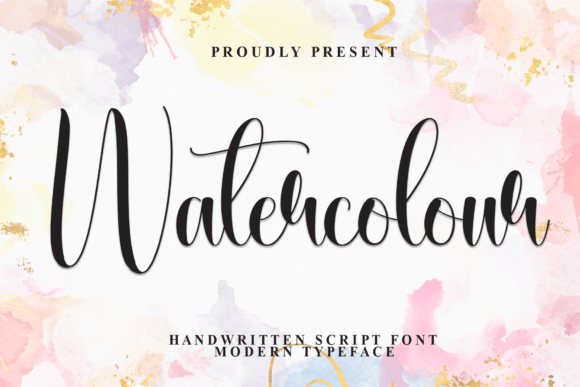
Watercolour Font: A Script Typeface for Elegant Design Projects
As a marketing designer working on a seasonal product launch campaign, I often find myself in the tricky position of needing to balance visual appeal with clarity. That was exactly the case last week when I was tasked with creating a set of Instagram posts and YouTube thumbnails for a new line of artisanal teas. The brand’s aesthetic leaned heavily into soft pastels, natural textures, and a warm, inviting tone. I needed a font that could elevate the design without overpowering it — something refined yet approachable. When I discovered Watercolour, a stylish and incredibly elegant script font, it immediately clicked as the perfect fit.
Watercolour for Wedding Invitations and Branded Stationery
If you're designing wedding invitations or branded stationery, Watercolour is one of those handwritten fonts that brings an emotional warmth to your visuals. Its fluid strokes and delicate serifs create a sense of intimacy and celebration, which makes it ideal for personal and event-based designs. I used it recently for a client's wedding suite and saw how well it complemented botanical illustrations and watercolor backgrounds. It doesn’t just look good — it communicates the right mood. In fact, it felt like the font itself added a layer of craftsmanship to the project, subtly reinforcing the theme of elegance and bespoke design.
Watercolour in Digital Ads and Social Media Campaigns
Digital ads require more than just beauty; they demand attention. While Watercolour isn’t suited for long paragraphs, its presence in short headlines and callouts can be striking. For example, in a recent online shop campaign for handmade soaps, I used Watercolour as the main title for the ad banners and paired it with a clean sans serif font for body copy. This contrast helped draw the eye toward the headline while keeping the rest of the message legible. On platforms like Instagram and Facebook, where first impressions matter most, the font added a touch of sophistication that resonated with the target audience.
Using Watercolour for Product Teasers and Reel Covers
I’ve found that Watercolour shines especially bright in product teasers and reel covers. The dynamic nature of these formats means that text needs to be both bold and brief. In one case, I layered Watercolour over a simple gradient background for a teaser video about a new perfume line. The result? A luxurious feel that matched the product’s positioning perfectly. Just make sure to test how it looks at different resolutions — some script fonts lose their charm when scaled down, but Watercolour holds up surprisingly well in small previews if used with care.
Watercolour for Webinar Banners and Email Headers
Webinars are all about trust and credibility, but also about standing out in crowded feeds. When crafting a webinar banner for a wellness brand, I reached for Watercolour again. The font wasn’t just decorative — it helped establish a personal connection between the speaker and the viewer. I made sure to use it sparingly, only for the headline and tagline, ensuring that the supporting text remained easy to read. Similarly, in email headers, Watercolour adds a unique flair that makes the subject line stand out without being too loud. It’s a great way to blend creativity with communication in high-impact digital assets.
Readability Tips for Mobile Screens and Fast-Scrolling Feeds
Mobile optimization is non-negotiable in today’s campaigns. I learned early on that Watercolour works best when given enough space to breathe. Avoid using it in tiny text or on busy layouts where it might get lost. For fast-scrolling feeds, keep the lettering large and legible, ideally with a stroke width that stands out against the background. If you’re using it over images, try to place it near high-contrast areas or add a subtle drop shadow for better visibility. These little tweaks can go a long way in ensuring your message is seen and understood.
Font Pairing Strategies with Watercolour
When integrating Watercolour into a design system, pairing is key. Because it’s a script handwritten font, it pairs beautifully with minimalist sans serif or traditional serif fonts. I typically go for a modern sans serif like Montserrat or Lato to balance out the organic flow of Watercolour. This combination gives your layout a professional-yet-personal vibe — essential for content series, blog headers, and even Pinterest pins. Don’t forget to check if the font includes alternates or ligatures — these can enhance the visual richness of your design assets without compromising readability.
Watercolour in Brand Templates and Logo Concepts
For logo-style text and brand templates, Watercolour has a certain charm that can’t be ignored. It’s not every day you find a font that feels both handcrafted and polished. In a recent branding project for a boutique greeting card company, I used Watercolour as the primary typeface in their template pack. From business cards to website headers, it gave the brand a cohesive identity rooted in artistry. But here’s the catch: don’t rely on it for everything. Use it strategically for display text and keep other elements in a complementary style to maintain hierarchy and usability.
Why Watercolour Fits Into Modern Typography Trends
There’s a growing trend in creative industries toward authentic, human-centric design — and Watercolour aligns perfectly with that. It avoids the overly stylized or ornate look of many script fonts, instead offering a balanced, artistic feel that’s versatile enough for multiple applications. Whether you’re building a content calendar for a lifestyle brand or designing a set of promotional graphics for a literary author, this font adds a level of personality that helps your message connect emotionally. It’s one of those rare premium fonts that feels like a real asset to any designer’s toolkit.
What to Watch Out For Before Using Watercolour
Before committing to Watercolour for a campaign, I always double-check what styles and file formats come included. Does it support Cyrillic or Greek characters? Are there enough variations to handle different tonalities in your brand messaging? Also, commercial licensing is important — ensure that the font you’re downloading allows for the kind of usage you have in mind, whether it’s for merchandise, web design, or client deliverables. And remember, while it’s excellent for display purposes, avoid using it for anything requiring dense information or tiny text sizes. Save it for the moments where impact matters most.
In summary, if you're looking for a creative font that can bring elegance and emotion to your next campaign, Watercolour is worth a closer look. It’s not just another script font — it’s a tool that helps you craft visuals with heart. From social media graphics to editorial design, it’s adaptable and visually appealing. As long as you understand its strengths and limitations, it can become a powerful part of your brand identity and campaign strategy.