Bringing Warmth to Editorial Design with the Ahava Font
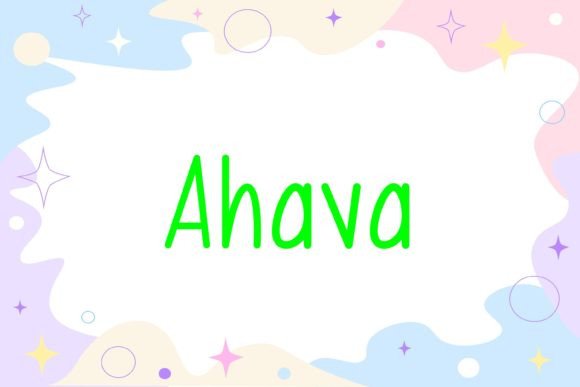
Ahava is a Script Handwritten font that brings a sense of authenticity and charm to your design projects. Its whimsical, slightly quirky character sets it apart from more formal typefaces, making it an excellent choice for content creators who want to infuse personality into their work. As a blogger or editorial designer, you understand the importance of typography in shaping reader experience — and Ahava does just that with its friendly and expressive style.
Using Ahava for Article Headers and Editorial Branding
When it comes to article headers, Ahava adds a touch of warmth and approachability. Its handwritten nature evokes a human connection, which can be especially powerful in lifestyle blogs, wellness newsletters, or any publication where tone matters. For example, if you're running a blog about creative living or mindfulness, using Ahava in your headers can make the content feel more personal and inviting.
As part of your editorial branding, Ahava can help establish a consistent visual identity across your publications. Whether it's a digital magazine cover, a printable guide, or a lead magnet like a downloadable worksheet, this font works well for reinforcing brand personality. It’s not just a decorative Fonts option — it’s a strategic choice for creating a memorable and cohesive look.
Creating Visual Hierarchy with Ahava in Magazine Layouts
In multi-page magazines or printables, visual hierarchy is key to guiding readers through content efficiently. Ahava shines as a display font for section headings and pull quotes, drawing attention without overwhelming the layout. Its simplicity ensures it remains legible even when used at smaller sizes for subheadings, while its unique character keeps it visually engaging.
For those designing layouts for long-form articles or guides, consider pairing Ahava with a clean serif or sans serif body font. This combination maintains readability while allowing the title and key sections to stand out with a modern yet classic contrast. The result is a balanced, professional layout that still feels fresh and original.
Adding Personality with Ahava in Ebook Covers and Chapter Titles
Ebook covers are often the first point of contact between your content and potential readers. Choosing the right Script Handwritten font can make all the difference in attracting attention. Ahava offers a warm and welcoming aesthetic that can elevate the perceived value of your ebook, whether it’s a poetry collection, a self-help workbook, or a travel memoir.
Chapter titles also benefit from Ahava’s expressive style. In niche areas like spirituality, journaling, or creative writing, this font can give each chapter a distinct visual flair while maintaining a soft and readable edge. Just be sure to test how it looks on different screens and in various formats — including PDF exports and mobile views — to ensure it retains clarity and charm across platforms.
Enhancing Quote Graphics with Ahava for Social Media and Newsletters
Quote graphics are essential tools for content marketers, bloggers, and newsletter writers looking to share insights visually. Ahava is particularly effective for these types of assets due to its natural flow and elegant script. When used in quote cards or social media posts, it gives off a handcrafted vibe that resonates with audiences seeking authenticity and inspiration.
To maximize impact, use Ahava for the main quote text and pair it with a minimalist sans serif font for attribution lines or captions. This technique ensures that the reader’s eye is drawn to the quote itself while keeping supporting text clear and unobtrusive. The balance helps maintain both style and functionality in your design assets.
Designing Engaging Lead Magnets and Printables with Ahava
If you create lead magnets such as free worksheets, planners, or printables for your audience, Ahava can enhance their visual appeal. A handmade font like this suggests thoughtfulness and care, qualities that align well with educational or motivational materials. For instance, a coaching workbook with Ahava-styled headers will likely feel more personal and encouraging than one with a standard system font.
Readers are more likely to engage with content that feels tailored and authentic. Ahava’s subtle quirks and fluid strokes can transform a generic template into something that stands out. Just remember to keep the rest of your typographic choices aligned with your overall brand identity — consistency is crucial for building trust and recognition.
Font Pairing Tips for Editorial Use with Ahava
Pairing Ahava with other fonts is a delicate but rewarding process. Since it’s a Script Handwritten typeface, it works best alongside more structured fonts that provide contrast and balance. For blog posts or newsletters, try matching Ahava with a modern sans serif like Montserrat or a classic serif like Lora. These combinations offer a great mix of creativity and readability.
For web-based publications, Ahava can serve as the primary heading font, while a neutral body font supports the dense reading areas. On print materials, consider using it for accent text or call-out boxes to highlight key points without sacrificing legibility. Testing multiple variations in real-world mockups is a smart way to see what works best for your specific content and audience.
Choosing Ahava for Wedding Guides and Event Publications
Wedding guides, event planning resources, and celebratory publications often require a font that conveys elegance and joy. Ahava fits perfectly into this category with its light-hearted and romantic appearance. Use it for cover titles, feature headers, or even in small doses for decorative elements like borders or icons.
The font’s friendliness makes it ideal for content aimed at couples or families, where a warm and inviting tone is necessary. Its versatility allows it to transition smoothly between digital platforms and printed invitations, ensuring your brand voice remains consistent no matter the medium. Just be mindful of spacing and kerning when using it in tight layouts to maintain readability and professionalism.
Ensuring Readability Across Platforms with Ahava
While Ahava excels in display settings, it’s important to assess its performance in different environments. For screen reading, especially on mobile devices, ensure that the font size is large enough to remain legible. Avoid using it in very small text blocks, as the handwritten characteristics might become harder to read.
When exporting to PDF or preparing for print, Ahava holds up beautifully. Its organic curves and gentle strokes translate well to physical media, adding a tactile quality that digital-only fonts sometimes lack. Always preview your designs in both digital and print contexts to confirm that Ahava complements your message effectively in every format.
Commercial Licensing Considerations for Ahava
One of the most important factors when selecting a font for your editorial projects is commercial licensing. If you plan to use Ahava in paid publications, client deliverables, or branded templates, check the license terms to ensure it supports those uses. Many Fonts come with restrictions on redistribution or embedding, so understanding your rights is essential before finalizing your project.
For bloggers and course creators, Ahava can be used in lead magnets, promotional materials, and digital products, provided the license allows it. Always verify the scope of the license to avoid complications down the line. Investing in a premium font like Ahava not only elevates your design work but also provides peace of mind when it comes to legal compliance.
Exploring Alternates and Ligatures for Customization
Many Script Handwritten fonts include alternates and ligatures to add variation and visual interest. Ahava is no exception — explore the included styles to discover how you can personalize your headlines and quotes. These features allow for subtle tweaks that can enhance the uniqueness of your publication while keeping the core style intact.
Use alternates sparingly to maintain readability, especially in longer texts. However, for short headers or signature lines, they can add a delightful flourish. Understanding the range of options within Ahava helps you tailor your typography to fit the mood and purpose of each piece you create.
Bringing Cohesion to Content Branding with Ahava
Brand identity is built through consistent visual elements, and typography plays a vital role in that process. Ahava’s distinctive yet simple style can serve as the foundation of your content branding strategy. From newsletter logos to ebook headers, it offers a unified look that feels both professional and personable.
Consider using Ahava in combination with your logo or secondary branding fonts to reinforce your visual language. This approach creates a stronger connection with your audience and makes your publications instantly recognizable. The font’s adaptability means it can scale from a bold cover title to a delicate caption, always maintaining its signature charm.
Practical Examples: Ahava in Action
- Lifestyle Blog: Use Ahava for post headers and featured quotes to create a warm, inviting atmosphere.
- Recipe Ebook: Apply it to chapter titles and headings for a friendly, home-style presentation.
- Wedding Guide: Let Ahava shine on cover art and section headers to evoke romance and elegance.
- Coaching Workbook: Incorporate it into prompts and section dividers to add a personal touch.
- Digital Magazine: Feature it in pull quotes and mastheads for a dynamic yet readable layout.
- Printable Planner: Use Ahava for decorative accents and weekly headers to enhance visual appeal.
- Creator Newsletter: Highlight key messages and subject lines with Ahava to stand out in crowded inboxes.
Each of these examples demonstrates how Ahava can be strategically placed to support the structure and emotional tone of your content. It’s not just about aesthetics — it’s about enhancing communication through thoughtful typography.
Why Ahava Stands Out in Modern Typography
In a world saturated with sleek sans serifs and rigid typographic rules, Ahava offers a refreshing alternative. It bridges the gap between formality and informality, making it suitable for both high-end editorial design and casual content marketing. Its Script Handwritten style lends itself to storytelling, helping your words feel more genuine and heartfelt.
What makes Ahava particularly valuable is its ability to adapt without losing its essence. It can feel playful in a children’s story, sophisticated in a luxury brand guide, or comforting in a wellness publication. This flexibility is rare among Fonts, especially in the handwritten category, where many fall too far into either the artistic or the illegible extremes.
Final Thoughts on Ahava for Editorial Projects
Typography isn’t just about choosing a pretty font — it’s about crafting an experience. Ahava offers a unique blend of style and usability that can elevate your editorial work across blogs, magazines, ebooks, and more. By integrating it thoughtfully into your design systems, you’re not just improving visuals; you’re enhancing the emotional resonance of your content.
Whether you're launching a new publication, redesigning a newsletter, or crafting a brand guide, Ahava is a versatile and expressive choice. It’s time to bring a little more personality into your projects and let your typography reflect the heart behind your content.