Coloring Book Font: Elevating Your Editorial Design
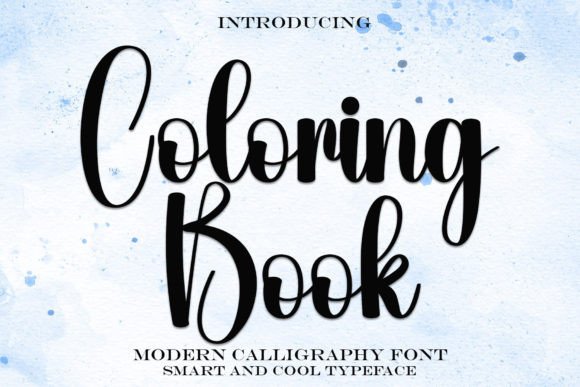
I was deep into redesigning the header of a lifestyle blog when I stumbled upon Coloring Book, a script handwritten font that immediately caught my eye. As someone who’s spent years curating visual experiences for readers, I knew right away this wasn’t just another Fonts option—it was a character in its own right, with rhythm and mood that felt handcrafted and timeless. Inspired by classic calligraphy but infused with a contemporary edge, Coloring Book brought a quiet confidence to the layout that I hadn’t seen from other typefaces.
Coloring Book for Lifestyle Blog Headers and Article Titles
When it comes to blog headers, you want something that feels personal yet polished. Coloring Book fits that need perfectly. Its fluid strokes and elegant curves give off a sense of warmth and authenticity—ideal for content that aims to connect on a human level. I used it as the headline font for a wellness blog rebrand, and the response was immediate. Readers commented how the title felt inviting and authentic, like it had been written especially for them.
The personality of Coloring Book is subtle but powerful. It doesn’t shout; it whispers with grace. This makes it especially suitable for editorial design where tone matters. Whether you’re designing a morning meditation post or a weekend travel diary, this handwritten font adds a layer of sophistication without losing approachability.
How Coloring Book Enhances Reader Engagement
One of the biggest challenges in digital publishing is capturing attention quickly. With Coloring Book, that task becomes easier. The font’s natural flow and unique character help guide the reader’s eye toward key elements like headlines or pull quotes. In one project, I paired it with a clean sans serif body text and saw how the contrast created a stronger visual hierarchy, making the content feel more structured and intentional.
What stood out most was how it helped build brand identity. A well-chosen typeface can become synonymous with a publication’s voice. For a client launching a new digital magazine focused on modern minimalism, Coloring Book became the signature font for all cover art and feature titles. It gave the magazine a refined, artistic edge that resonated with their audience’s aesthetic sensibilities.
Coloring Book in Recipe Ebooks and Printable Guides
In another project, I was formatting a collection of seasonal recipes into an ebook. The goal was to create something visually appealing yet practical. I chose Coloring Book for the chapter openers and decorative accents. The result was stunning—each section felt like a personal letter from the chef to the reader.
Using a Script Handwritten font like Coloring Book in recipe layouts adds a touch of creativity that separates your content from the typical sans serif monotony. It works especially well for titles, headings, and sidebars where a little flair can go a long way. I made sure to check the included alternates and ligatures, which gave me the flexibility to customize each page for maximum impact.
Readability Considerations for Screen and Print
While many Fonts offer style at the cost of legibility, Coloring Book manages both with ease. I tested it across various platforms—from mobile blogs to printed zines—and found it performed admirably. The spacing between letters is generous enough to avoid crowding on screens, while maintaining enough detail to look crisp in print materials.
For PDF exports and printable planners, I recommend using bold or semi-bold weights to ensure clarity. The thinner styles are more suited for web use or social media graphics where softness and elegance are key. When creating digital downloads or selling printables, readability is crucial, and Coloring Book handles it beautifully when used thoughtfully.
Coloring Book for Wedding Guides and Content Branding
Wedding guides often require a blend of romance and professionalism. Coloring Book offers just that. I used it in a wedding planning e-book for the main title and section headers. The font’s classic inspiration gave the design a timeless feel, while the modern tweaks kept it fresh and relevant for today’s couples.
Its versatility also shone through in branding applications. From logo design to social media posts, Coloring Book maintained consistency across different formats. The handwritten font added a personal touch to every element, helping the brand stand out in a crowded market.
Font Pairing Ideas for Editorial Layouts
Choosing the right Fonts pairing can elevate your entire layout. I found that Coloring Book pairs exceptionally well with readable serif fonts like Lora or Georgia for body copy. The contrast between the expressive script and the grounded serif creates balance and ensures the reader stays focused on the content rather than struggling with the typography.
For captions and navigation menus, a minimalist sans serif such as Open Sans or Roboto works well. These pairings keep the overall design cohesive while allowing each element to serve its purpose clearly. When working on a digital magazine layout, I used these combinations to differentiate between articles, sections, and advertisements seamlessly.
Coloring Book in Coaching Workbooks and Course PDFs
Coaching workbooks and course PDFs often benefit from a friendly yet authoritative tone. Coloring Book delivers exactly that. I integrated it into a self-care workbook for a mindfulness course, using it for section titles and motivational pull quotes. The font’s warmth encouraged engagement, while its structured form ensured that even complex information remained easy to digest.
It’s important to note that this isn’t a font for long-form reading. Like most script handwritten styles, Coloring Book shines brightest in display settings. But when used correctly—as accents, headers, or highlights—it transforms educational content into something more inviting and visually engaging.
Commercial Use and Licensing Notes
If you’re considering using Coloring Book in a paid newsletter, branded templates, or client publications, make sure to review its commercial licensing terms. As a premium font, it offers robust support for multiple platforms and file formats, including TTF and OTF, so it’s ready to use in any design software or web publishing tool.
Also, check if the font includes multilingual support. While it may not be necessary for every project, having access to extended language options is invaluable when targeting international audiences or building global-friendly digital products.
Coloring Book for Digital Magazines and Newsletter Graphics
Digital magazines often rely on strong typography to set the tone. Coloring Book has a natural elegance that fits well in editorial layouts. I applied it to feature titles and pull-out quotes, and it instantly elevated the magazine’s visual appeal. It felt like the kind of font that could be featured in a curated design portfolio or sold as part of a premium set of Fonts for creative professionals.
In newsletter graphics, I found it particularly effective for subject lines and promotional banners. Its distinct shape helps it stand out in email clients, drawing the eye and increasing open rates. Just be mindful of its weight and color—lighter versions can sometimes get lost in busy designs.
Creating a Cohesive Publication Identity
A consistent typeface is essential for building a recognizable publication identity. With Coloring Book, I designed a series of themed headers for a wellness newsletter. Each issue had a slightly different treatment of the font—some with brush-style variations, others with tighter line spacing—to reflect the changing seasons and topics without losing the core identity.
This kind of thoughtful application is what sets great editorial design apart. It’s not just about choosing a pretty Font; it’s about understanding how it contributes to the overall message and experience. Coloring Book does this effortlessly, offering a bridge between tradition and modernity in your design choices.
Why Coloring Book Belongs in Every Editor’s Toolkit
As an editorial designer, I’m always on the lookout for Fonts that bring character to the page. Coloring Book is one of those rare finds—a script handwritten font that feels both personal and professional. It adapts well to various contexts, from digital newsletters to print magazines, and adds a touch of class to everything it touches.
Whether you're working on a recipe ebook, a wedding guide, or a printable planner, consider how Coloring Book might enhance your design. It's not just a font; it's a design asset that brings intention and elegance to your projects. And in an age where visual storytelling is key, that’s a powerful advantage.
So next time you’re choosing a Fonts for your latest layout, remember that Coloring Book is there to help you craft something truly memorable.