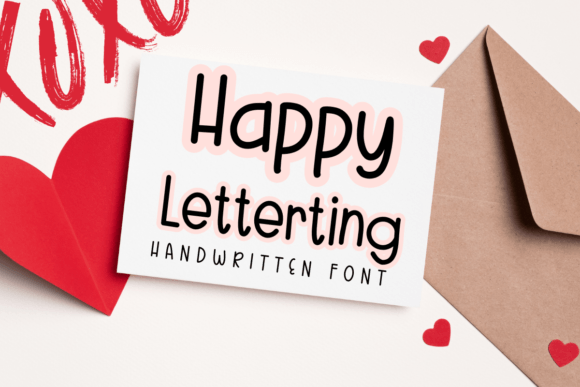
Happy Lettering Font Review for Marketers and Designers
It was a typical Thursday morning when I needed to finalize the visuals for an upcoming product launch. The brand wanted something warm, personal, and approachable—nothing too corporate or sterile. That’s when I reached for Happy Lettering, a script handwritten font that adds just the right amount of charm without sacrificing clarity. As a marketing designer who works across platforms like Instagram, YouTube, and digital ads, I’ve tested dozens of Fonts for campaign use, but this one stood out in how it balanced creativity with practicality.
Using Happy Lettering for Social Media Graphics and Brand Campaigns
I first used Happy Lettering in a set of Instagram posts for an online course launch. The goal was to create a sense of authenticity and excitement around the content. This handwritten font immediately gave the designs a human touch, which is essential for building trust and relatability with audiences. It wasn’t just about looking pretty—it had to work in fast-scrolling feeds where users only have seconds to catch your message.
The fluid strokes and natural imperfections of Happy Lettering made it perfect for short, punchy headlines. For example, I designed a carousel post using phrases like “Write Your Story” and “Create with Joy.” Each card had minimal text, and the font helped guide the viewer’s eye toward the key message without overwhelming the layout. When previewed on mobile, the spacing and character width held up well, ensuring readability even at smaller sizes.
Happy Lettering in YouTube Thumbnails and Reels Covers
YouTube thumbnails are tough because they need to stand out in a sea of competing images. I tried using Happy Lettering as the main headline in a thumbnail for a lifestyle channel promoting a new self-care challenge. The title read “Start Smiling Again,” which felt both inviting and personal. Paired with a soft pastel background and a subtle shadow effect, the font became the emotional anchor of the design.
What worked especially well was its legibility from a distance. Many script fonts can become illegible in small previews, but Happy Lettering maintained enough contrast and openness to remain clear. I also used it for a series of Reels covers, where each cover had a different color scheme but consistent typography. This helped build visual continuity across the brand’s content, reinforcing their identity through a shared Script Handwritten style.
Happy Lettering for Greeting Cards and Merchandise Designs
A few weeks later, I was tasked with creating promotional materials for a boutique selling custom greeting cards and mugs. The client wanted a cohesive look that could be used across both print and digital assets. Happy Lettering fit perfectly here. Its organic feel translated beautifully into handcrafted aesthetics, making it ideal for mock-ups of personalized items.
For greeting cards, I used the font in bold, decorative titles like “Wishing You Happiness” and paired it with a clean sans serif for supporting copy. The combination created a nice balance between whimsy and professionalism. On mugs, the same font added a friendly vibe, especially when used in lowercase for phrases like “smile more, worry less.” Just remember: when using Fonts like this on merchandise, always check if they include commercial licensing so you can confidently sell the final products.
When to Use Happy Lettering for Banners and Content Overlays
Happy Lettering also performed well in web banners for a seasonal sale. We needed something that felt spontaneous yet trustworthy. The font delivered both, especially when used in uppercase for bold statements like “SPRING SALE STARTS NOW!” with a matching color palette that highlighted the contrast against light backgrounds.
In email promotions, I found it best suited for headers and call-to-action buttons rather than body text. Phrases like “Your Invitation Awaits” or “Join the Fun Today” caught attention and encouraged clicks. However, avoid using it for long paragraphs or complex messaging. The handwritten style isn’t built for dense information, and trying to push it beyond its display capabilities would hurt user experience.
Font Pairing Tips for Campaign Consistency
To keep the branding consistent across multiple channels, I often pair Happy Lettering with a modern sans serif like Montserrat or Lato. These combinations give the design both personality and structure. If you’re going for a softer, more romantic look, a delicate serif like Playfair Display can complement it nicely, especially in editorial-style layouts or Pinterest pins.
Another trick I picked up is using Happy Lettering alongside other script handwritten styles for layered effects. But stick to 2–3 variations max to avoid visual clutter. Always test your pairing choices in real-world scenarios—like resizing for a banner or cropping for a social media preview—to ensure your message stays intact across all formats.
Happy Lettering in Product Teasers and Digital Ads
Recently, I worked on a product teaser for a wellness app. The campaign involved a mix of static digital ads and animated GIFs. In the ad layout, I used Happy Lettering to write phrases like “Find Your Happy Place” and “Peace Starts Here.” The font added a gentle, calming tone that aligned perfectly with the app’s mission. It didn’t shout; it whispered, and that’s exactly what we needed.
One thing I noticed was how the font played well with dark mode settings. By choosing a light stroke variation and placing it over a dark gradient, the text remained legible while adding depth to the overall design. I also included a secondary Font for pricing and terms, keeping the handwritten style reserved for emotional appeal and the structured type for factual details.
Limitations and Best Practices
While Happy Lettering has a lot of strengths, it’s not a one-size-fits-all solution. It doesn’t perform well in tiny text or when used for long-form content like blog articles or legal disclaimers. I once mistakenly used it for a webinar description section and ended up having to switch to a more readable option after feedback came in. So, save this Script Handwritten font for headlines, quotes, and short messages where its expressive nature can shine.
Also, consider file formats and multilingual support before locking it into a global campaign. Some Fonts might not render correctly in certain languages or devices, which can lead to miscommunication or a drop in engagement. Always verify that your chosen font includes the necessary glyphs and is compatible with your target audience’s platform usage.
Why Happy Lettering Fits into Modern Typography Trends
Today’s audiences crave authenticity. Whether it’s a branded template pack or a quick quote graphic, they respond better to designs that feel genuine and less automated. Happy Lettering taps into that trend by offering a handwritten font that feels like it was crafted by someone with a passion for creative expression. It’s not just a typeface—it’s a mood enhancer for your visual storytelling.
That said, don’t forget the basics. Even though it looks casual, it needs proper alignment, spacing, and hierarchy to function effectively in a Fonts-driven campaign. I’ve seen it fail when used haphazardly in a multi-layered infographic. Stick to using it for display purposes, and let it work in harmony with more functional typefaces to maintain balance and readability.
Final Thoughts on Happy Lettering for Creative Projects
If you're working on a project that needs warmth, charm, and a bit of soul, Happy Lettering is a solid choice. It’s versatile enough to appear in everything from greeting cards to digital banners, and it brings a unique voice to your Script Handwritten typographic toolkit. But like any good Font, it requires thoughtful application to truly elevate your campaign’s impact.
Before committing to a large-scale rollout, I recommend testing it in various use cases and checking for licensing permissions. Once you do, you’ll find yourself reaching for Happy Lettering again and again for those moments where your message needs to feel a little more personal and a lot more persuasive.