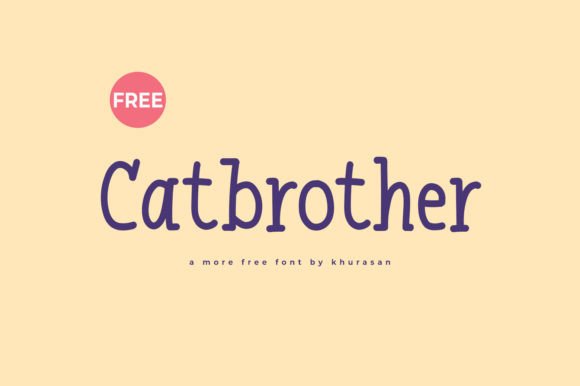
Catbrother Font for Modern Branding Projects
Recently, I was working on a branding project for a cozy local café. The owner wanted something that felt personal and welcoming—something handwritten but still modern enough to work across all their marketing materials. That’s when I first tried Catbrother, a script handwritten font that immediately caught my eye. As a designer who often juggles multiple projects at once, finding the right typeface can be the difference between a brand that feels authentic and one that just looks like another template. Catbrother has a unique charm that makes it feel like it was written by someone with real personality.
Catbrother in Logo Design and Café Branding
I started by opening a fresh design board and placing the name of the café into a logo mockup. The first thing I noticed about Catbrother is how its strokes flow naturally, almost like a signature. It’s not overly ornate, which means it works well for businesses looking to convey warmth without being too whimsical. For this café, I paired it with a clean sans serif font in the tagline to keep things balanced. The contrast gave the logo depth while maintaining legibility even from a distance.
On a shop sign or chalkboard aesthetic, Catbrother really shines. It adds that handcrafted feel you want for food-related brands, especially those leaning into artisanal or home-style vibes. I made sure to test it at different sizes to see how it held up in print and digital formats. Even at smaller sizes, the font retained its readability and character, which is a big plus for signage and packaging.
Catbrother for Poster and Flyer Design
The next step was designing promotional posters and flyers for the café’s grand opening. Here, Catbrother worked beautifully as a headline font. Its organic shape drew attention without overwhelming the rest of the layout. I used it for the event title and found that it created an inviting atmosphere that matched the café's overall theme.
- Poster Headlines: The bold strokes of Catbrother make it perfect for eye-catching headlines.
- Call-to-Action Text: Short phrases like “Come taste the goodness” looked great in Catbrother, encouraging engagement.
- Visual Consistency: By using the same font family in key elements, the brand maintained a cohesive look from print to web.
Catbrother in Social Media Graphics
One of the most important parts of any brand launch these days is social media. I tested Catbrother on a series of Instagram posts and Facebook banners. The font added a friendly, approachable tone that fit perfectly with the café’s personality. I found myself tweaking the spacing and color more than the font itself because it just worked so well out of the box.
In one post, I layered Catbrother over a photo of steaming coffee cups. The soft curves of the letters didn’t clash with the imagery, instead enhancing the warm, homemade feel. For another post, I used it in a quote graphic—“Life is better with good coffee”—and it brought a human touch that made the message feel sincere rather than salesy.
Catbrother for Editorial and Magazine Layouts
While I was initially focused on visual identity, I also had to create some sample magazine spreads and newsletter templates for the café’s content strategy. That’s where Catbrother surprised me again. Though it’s primarily a display font, it has subtle alternates and ligatures that let it breathe in editorial design when used sparingly.
I reserved Catbrother for section headers and pull quotes. This allowed me to maintain a professional body text with a serif font while adding a creative flair with the script. Readers would notice the elegant calligraphy without it becoming distracting. The font’s versatility here was impressive—I never thought a handwritten font could work so well in print-based storytelling.
Catbrother on Product Labels and Packaging Mockups
For the café’s branded merchandise—like mugs, stickers, and gift boxes—I used Catbrother in short-form text applications. The font’s easy-to-read structure helped it stand out on small labels and tags. On a label sticker for a specialty blend of coffee, the font added just the right amount of charm without compromising clarity.
It’s worth noting that Catbrother comes with a range of weights and styles, which gives you flexibility when designing for different surfaces. Whether it’s glossy paper or matte stickers, the font maintains its integrity and warmth. This adaptability is crucial when building a full brand system that needs to feel consistent across both physical and digital spaces.
Catbrother for Book Covers and Banners
Later, I experimented with other use cases mentioned in the product description, like book covers and banners. I designed a sample menu booklet for the café and found that using Catbrother for the cover title gave it a handmade, artisanal vibe that aligned perfectly with the concept. Inside, I switched to a supporting typeface to avoid visual fatigue and ensure the content remained scannable.
For a banner promoting weekend brunch, I used Catbrother as the main headline. Its fluidity made it ideal for curved layouts and dynamic shapes, allowing me to play with typography in a way that felt fresh and engaging. The client loved how it stood out against simpler backgrounds and felt confident it would resonate with customers scrolling through online ads or walking past the storefront.
Font Pairing and Brand Perception
When choosing a script handwritten font like Catbrother, it’s essential to consider how it pairs with other fonts in your system. I always recommend starting with a strong base font—often a serif or sans serif—and then layering Catbrother in key areas where you want to highlight creativity or emotion.
Here are a few combinations I’ve found effective:
- Catbrother + Lora (serif): A classic pairing for editorial design and luxury branding.
- Catbrother + Montserrat (sans serif): Offers a modern contrast ideal for branding systems and websites.
- Catbrother + another script font: Can add depth if you’re going for a multi-layered typographic treatment.
Catbrother in Web Design and Hero Sections
I also tested Catbrother on a homepage hero section for the café’s website. The goal was to create a welcoming header that invited users to explore the site further. Catbrother worked wonders here—its soft curves and open letterforms made it feel less aggressive than many bold sans serifs commonly used in web design.
However, I did limit its use to only the primary headline and kept the rest of the page in a more structured typeface. This decision ensured that the site remained functional and easy to navigate, while still benefiting from the emotional appeal of Catbrother in key moments. For designers thinking about using it in web projects, remember: it’s best suited for accents, headlines, and logos rather than long blocks of text.
Practical Tips for Testing Catbrother Before Committing
If you're considering using Catbrother for a client or your own business, I suggest doing a few quick tests before committing to a full brand rollout. Here’s what I do:
- Test at scale: See how it looks on a business card versus a large poster.
- Use it in context: Place it alongside your supporting fonts and brand colors to check harmony.
- Check multilingual support: If your audience speaks multiple languages, confirm that Catbrother supports them.
- Review included styles: Look at the alternate characters and ligatures to see how much customization you have.
Catbrother as a Supporting Typeface in Brand Systems
Though Catbrother is often used as a display font, I’ve found that it can also serve as a supporting typeface in more complex brand systems. For example, a skincare brand might use it in limited ways to add a natural, handcrafted element to product names or promotional copy.
Its ability to match easily with other fonts—especially when used in short-form text—makes it a great addition to a brand’s typographic toolkit. Just be careful not to overuse it. The key is to let it shine where it matters most and fall back to more neutral options elsewhere.
Why Catbrother Stands Out in Creative Typography
What sets Catbrother apart from other script handwritten fonts is its balance of style and usability. It’s not just decorative—it tells a story. Every curve and stroke feels intentional, making it ideal for brands that want to communicate authenticity and creativity without sacrificing professionalism.
As a designer, I appreciate how it adapts to different mediums. From a logo on a storefront window to a line of text on a blog post, Catbrother maintains its character and charm. And since it’s optimized for various platforms, it works just as well in high-resolution prints as it does on digital screens.
Catbrother for Merchandise and Printed Marketing Materials
Merchandise like tote bags, mugs, and aprons are a big part of brand visibility. Using Catbrother on these items gave them a tactile, personalized look that felt genuine. Customers would instantly connect with the handwriting style, especially if they were looking for a community-driven or independent brand.
I also applied it to printed marketing materials like menus and event tickets. In each case, the font elevated the design without becoming too busy. The secret is using it strategically—maybe only in headings or special sections—to guide the viewer’s eye and emphasize key messages.
Commercial Use and Licensing Considerations
Before finalizing the brand assets, I checked the licensing details of Catbrother. Since it’s a commercial font, I confirmed it had the necessary permissions for use in logos, packaging, and digital campaigns. This is a critical step for any designer handling client work—ensuring you’re not violating any rules down the line.
Licensing terms vary depending on usage, so always review what’s included. For small businesses and freelancers, knowing whether the font supports commercial use in all intended formats is vital to avoid future complications.
Final Thoughts on Using Catbrother in Real Projects
Working with Catbrother reminded me why handwritten fonts remain a staple in modern design. They bring life to static text and help brands feel more relatable. After seeing how it performed across a variety of brand assets—from logos to posters and web headers—I’m confident it can be a valuable asset in your design toolkit.
Whether you’re creating a boutique brand, a lifestyle publication, or just need a creative font for a new project, give Catbrother a try. Test it in context, pair it wisely, and let it speak for itself. Sometimes, the right font isn’t about being the boldest or the trendiest—it’s about telling the brand’s story in a way that feels true to its identity.