Rullent: A Modern Script Font for Branding Projects
It was one of those early mornings when the client had a vague idea but a clear need — they wanted something fresh, something that felt personal yet polished. I opened up my design board and began testing typefaces for their new boutique, a cozy little shop selling handmade soaps and candles. I needed a font that could balance elegance with approachability. That’s when I found Rullent, a clean and stylish script handwriting font that immediately caught my eye.
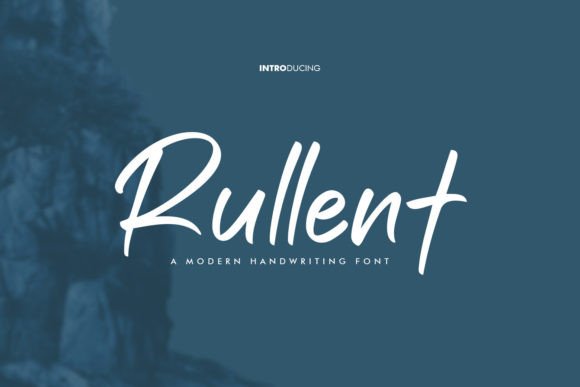
Rullent is a clean, stylish, modern, and elegant script handwriting font, perfect for businesses that want to exude warmth without losing sophistication. As a designer, I love how it manages to feel both hand-drawn and precise — a rare combination in the world of handwritten fonts. It’s not too wild or decorative, which makes it incredibly versatile for branding across multiple platforms.
Rullent for Boutique Logo Design and Packaging Mockups
I started by placing Rullent on the logo mockup. The boutique owner had mentioned wanting a “personal touch” to stand out from mass-produced brands. With its flowing curves and subtle variations in stroke weight, Rullent brought just the right amount of charm. It wasn’t over-the-top like many other script fonts, but still had enough character to make the name memorable.
Next came the packaging. I layered Rullent over a minimalist label design, using it for product names and taglines. The font worked beautifully alongside a soft sans serif supporting typeface, giving the brand a cohesive yet dynamic look. I noticed how the font’s modern feel helped bridge the gap between artisanal craftsmanship and contemporary appeal — exactly what the boutique needed to attract today’s conscious shoppers.
Rullent in Social Media Graphics and Website Headers
As I moved into digital assets, I tested Rullent on social media templates and website headers. On Instagram posts, the font added an inviting tone to promotional content. When used as a headline for the homepage hero section, it gave the site a welcoming vibe without sacrificing professionalism. I made sure to use it sparingly for key phrases to maintain readability and visual hierarchy.
What stood out most was how well it scaled. Even at smaller sizes for captions or buttons, Rullent retained its legibility. This is crucial because many script fonts become illegible when shrunk down for digital use. Not only is Rullent a script handwritten font, but it also performs like a premium asset in web design and mobile interfaces.
Rullent for Book Covers and Editorial Design
The boutique also planned to launch a monthly newsletter and perhaps even a small book on natural skincare routines. I jumped at the chance to test Rullent in editorial contexts. For the cover of the hypothetical booklet, the font added a refined yet friendly aesthetic. Its elegance suited the theme perfectly, while the clean lines kept it from feeling cluttered.
In editorial layout, I paired Rullent with a classic serif font for body text. This allowed the title to pop while keeping the rest of the content easy to read. I’ve seen too many designers go all-in with a script font, only to lose clarity. Rullent, however, works best as a display font or accent typeface, making it ideal for headlines, pull quotes, and chapter titles in magazines or blogs.
Using Rullent in Banners and Print Materials
For printed marketing materials, I created a series of banners using Rullent. These were meant to hang in the boutique and online for promotions. The font’s style translated well to print — no pixelation issues, no loss of detail. It looked just as good on large vinyl signs as it did on glossy paper flyers.
One thing I always check when selecting a font for commercial work is licensing. Fortunately, Rullent comes with commercial font licensing options, which is essential if you're designing for real clients. No more worrying about whether a font is legally usable in logos or signage. That peace of mind is invaluable when building a brand identity system.
Rullent in Product Labels and Merchandise Design
Product labels are where personality really shines through. I designed a few sample stickers for candle jars and soap boxes using Rullent. The result was a warm, inviting look that felt authentic and high-quality. The font’s modern edge gave the products a sense of curated simplicity, aligning well with the boutique’s overall vision.
When it comes to merchandise like tote bags or greeting cards, Rullent adds just the right amount of flair. Too often, handwritten fonts can look unprofessional when stretched or rotated for different surfaces, but Rullent handles these transformations with grace. Whether it’s embroidered on fabric or printed on paper, it maintains its integrity and charm.
Practical Tips for Using Rullent in Real Projects
- Test before committing: Always place Rullent next to your existing brand elements. Does it enhance or clash? Try it in black and white first — sometimes color hides flaws in contrast.
- Use smart alternates: If Rullent includes ligatures or alternate characters, they can add subtle interest to repeated phrases like “Handmade with Love.”
- Consider file formats: Ensure you have the right versions (like .OTF or .TTF) depending on your software and output needs. I prefer OpenType for maximum flexibility in design tools.
- Pair wisely: Combine Rullent with a structured sans serif or serif font to create balance. I’ve used it successfully with Helvetica Neue and Georgia, letting the script lead the emotional tone while the supporting font ensures clarity.
Rullent for Creative Studios and Small Business Branding
Creative studios and small business owners often need fonts that reflect their unique voice. Rullent does this effortlessly. In one case, I suggested it to a local creative studio working on a stationery line for a client. They wanted something modern but with a personal touch — and Rullent fit the bill.
Its versatility means it doesn’t just work for one platform. From letterheads to Instagram stories, it maintained a consistent tone. And since it's a script handwritten font, it lent itself well to short-form text and expressive calls to action. I also appreciated how it handled multilingual support — a plus for any international project or diverse customer base.
Rullent in Restaurant Signage and Poster Design
Another recent project involved helping a local restaurant rebrand. Their old logo was too formal, and they wanted something more personable. I proposed Rullent for their new sign. The owner loved how it conveyed a sense of care and craft, much like their menu items. It became the cornerstone of their visual identity, appearing on posters, menus, and even takeout containers.
What impressed me was how it didn’t overwhelm the design. Even in a busy poster with photography and other text elements, Rullent held its own. Its modernity prevented it from looking dated, while its elegance kept the overall design from feeling too casual. It’s one of those rare fonts that straddles the line between artistic and functional.
Why Rullent Works Well in Brand Identity Systems
Creating a brand identity isn’t just about picking a pretty font — it’s about ensuring consistency across every touchpoint. Rullent’s structured yet fluid style allows it to be part of a larger typographic system without being the only show in town. I recommend using it for main titles and key messaging, then switching to a more neutral typeface for longer texts.
It’s important to consider how a font feels emotionally. Rullent has a gentle, confident presence — perfect for brands aiming to build trust and familiarity. Unlike some handwritten fonts that lean too heavily into cursive whimsy, Rullent offers a cleaner, more professional script that still feels human.
Real-World Observations and Designer Takeaways
Over time, I’ve learned that the best fonts aren’t just technically sound — they need to tell a story. Rullent tells the story of a brand that’s thoughtful, modern, and elegant. It’s not loud or flashy, but it commands attention in the right way. I've used it in everything from coffee shop signage to blog headers, and it always brings a level of polish that clients appreciate.
Before finalizing the font for a project, I suggest downloading the free version if available and running through a checklist:
- Does it scale well from tiny tags to large posters?
- How does it perform in low-resolution environments like screens or printed flyers?
- Can it pair effectively with other fonts in the brand system?
Once you’re satisfied with how it behaves, it’s time to invest in the full version. Rullent is a Fonts package worth considering for anyone serious about typography. It’s not just another script font — it’s a tool that helps you communicate values through visuals. And in branding, that’s everything.
Final Thoughts on Rullent and Typographic Storytelling
There’s something special about a font that can adapt to different mediums while maintaining its core identity. Rullent is that kind of font. Whether it’s part of a logo, a magazine layout, or a product sticker, it enhances the message rather than distracts from it. As a designer, that’s what I’m always looking for — a typeface that supports the brand’s narrative without overpowering it.
If you’re working on a project that needs a touch of class without going overly traditional, give Rullent a try. Test it in your next Fonts project — you might just find yourself reaching for it again and again.